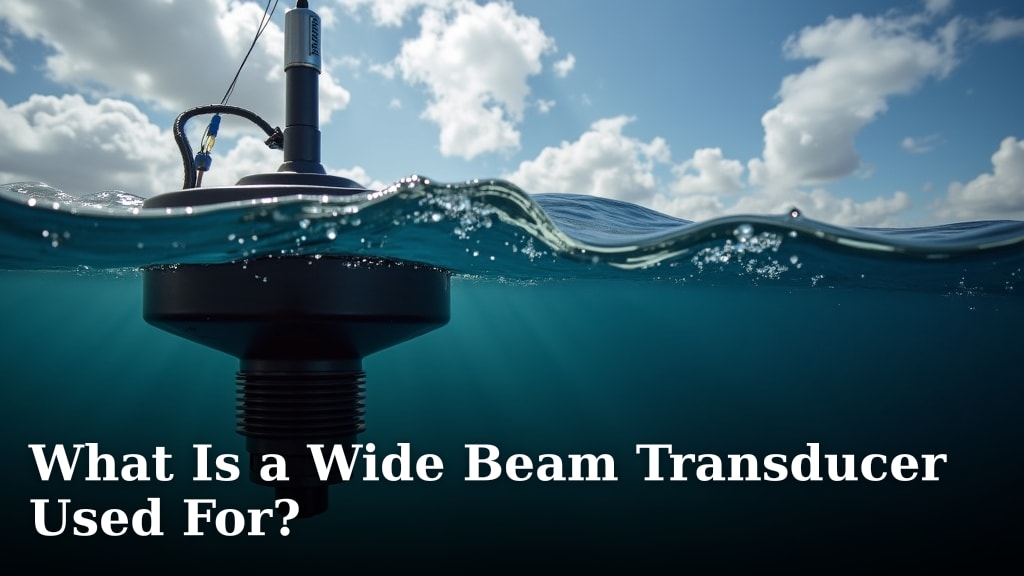
What Is a Wide Beam Transducer Used For?
A wide beam transducer is primarily used for mapping the seabed and identifying underwater structures. It sends out a wide cone of sonar sound waves to cover a larger area of the water. This makes it ideal for general surveys and finding fish schools.
When you need to get a broad overview of what’s beneath your boat, a wide beam transducer is your go-to tool. It’s perfect for applications where you need to see a wide swath of the bottom, not just a narrow path. Think of it like turning on a floodlight instead of a spotlight for underwater views.
- Wide beam transducers cover a large area of the seabed.
- They are best for general mapping and finding fish.
- This type of transducer uses a wide cone of sonar.
- It helps you see more of what’s below your boat.
Let’s dive deeper into what makes a wide beam transducer so useful for everyday boaters and anglers.
How a Wide Beam Transducer Helps You See More Underwater
A wide beam transducer acts like a floodlight for your boat’s sonar system. It casts a broad cone of sound waves across the water. This lets you see a much larger area of the seabed at once. Many boaters find this incredibly useful for general fishing and navigation. It’s about seeing the big picture below.
Understanding the Basics of Wide Beam Sonar
Sonar works by sending sound waves into the water and listening for echoes. These echoes bounce back from objects and the seabed. A transducer is the part that sends and receives these sound waves. The “beam” is the cone of sound it sends out.
The Cone Angle: What Makes It “Wide”?
The main difference between transducers is the angle of this sound cone. A wide beam transducer has a wider cone angle. Think of it like a shower head with many holes versus one with just a few. More holes spread the water wider. A wide beam spreads sound waves over a larger area. This is often measured in degrees. A wider degree range means a wider beam.
Narrow Beam vs. Wide Beam: A Simple Comparison
You might already be familiar with narrow beam transducers. These are like spotlights. They focus sonar energy into a tight, narrow beam. This gives you a very detailed view of the small area directly below your boat. They are great for identifying specific features or marking individual fish. However, you have to move your boat slowly to cover ground. A wide beam transducer, on the other hand, is like a floodlight. It covers more area but with less detail in any single spot. For general surveys and finding schools of fish, the wide beam is often preferred.
Primary Uses for Wide Beam Transducers
The main reason people choose a wide beam transducer is for its ability to cover more territory. Let’s look at the most common applications.
Mapping the Seabed and Underwater Features
When you want to create a map of the bottom under your boat, a wide beam transducer is your best friend. It lets you see a much larger patch of the seabed with each ping of the sonar. Imagine painting a wall: using a wide roller covers more area faster than a small paintbrush.
Creating Detailed Bottom Maps
For anglers and boaters who navigate unfamiliar waters, a good bottom map is essential. A wide beam transducer helps you identify changes in depth, underwater structures like reefs or wrecks, and even submerged obstacles. You can slowly drive your boat in a grid pattern. The sonar will build up a picture of the bottom over time. This is how many electronic charts are created.
Identifying Structure and Cover for Fishing
Fish like to hide around structure. This includes things like rocks, submerged trees, weed beds, and drop-offs. A wide beam transducer helps you spot these areas more easily. You can cover a wide area and look for promising spots. Once you find a good-looking area, you might switch to a narrower beam for more detail.
Locating Fish Schools and Pelagic Species
Many fish swim in schools or travel in larger groups. These are often called pelagic species. Think of tuna, mackerel, or large schools of baitfish. A wide beam transducer is excellent for spotting these large concentrations of fish. Because it covers such a wide area, you are more likely to find a school that might be off to the side of your boat.
Seeing Larger Areas of Activity
When you’re trolling or drifting, you want to cover as much water as possible. A wide beam transducer increases your chances of encountering fish. You don’t have to be directly over them for your sonar to pick them up. This makes it great for covering large, open water areas where fish might be spread out.
General Navigation and Obstacle Detection
Even if you’re not actively fishing, a wide beam transducer can improve your navigation safety. It helps you see what’s on the bottom in a broader area. This is particularly helpful in shallow or busy waterways. You can get a better sense of your surroundings and potential hazards. It provides an extra layer of awareness about what lies beneath.
How Wide Beam Transducers Work with Your Sonar Unit
Your sonar unit interprets the echoes received by the transducer. The unit then displays this information on your screen. With a wide beam, the unit receives echoes from a larger footprint on the seabed.
Interpreting the Sonar Returns
The sonar display will show a wider swath of the bottom. You’ll see depth readings across this wider area. Features like drop-offs, humps, and channels will appear. You can often adjust settings on your sonar unit to optimize how the wide beam data is displayed. For example, you might be able to adjust sensitivity or color palettes.
Choosing the Right Beam for Your Needs
The best transducer for you depends on how you use your boat. If you mostly fish in shallow areas and want to scan large parts of the bottom, a wide beam is a good choice. If you’re focused on very precise fishing in deep water or identifying individual fish, a narrow beam might be better. Many anglers opt for transducers that offer both wide and narrow beam capabilities.
We found that boaters often start with a wide beam and then add a narrow beam option later if their fishing style changes. It’s a flexible approach.
Key Benefits of Using a Wide Beam Transducer
Let’s recap the advantages you get when you choose a wide beam transducer.
- Wider Coverage: You see more of the bottom at one time.
- Faster Mapping: Cover more ground when creating bottom maps.
- Fish School Detection: Easier to find schools of fish.
- General Area Awareness: Better understanding of your surroundings.
- Versatility: Useful for fishing, navigation, and general surveys.
A Quick Checklist for Wide Beam Transducers
Here’s a simple way to remember what makes a wide beam transducer stand out:
- Covers a broad area of the seabed.
- Ideal for general underwater mapping.
- Helps in spotting large fish schools.
- Uses a wide cone of sonar sound waves.
- Offers a good overview, not just a narrow view.
Conclusion
As you’ve seen, a wide beam transducer is your best option for getting a broad look at what’s below your boat. It’s perfect for scanning large areas of the seabed, finding schools of fish, and general navigation. Think of it as giving you the “big picture” view underwater. While a narrow beam offers detail, the wide beam excels at covering more ground efficiently. If you’re looking to map out new fishing spots or simply want a better understanding of your surroundings, a wide beam transducer will serve you well.
Your next step should be to consider your primary boating activities. If covering more area is key, a wide beam is likely the right choice for your sonar system.
Frequently Asked Questions
What kind of fish are wide beam transducers best for finding?
Wide beam transducers are excellent for locating schools of fish that travel in large groups. This includes species like mackerel, tuna, or large baitfish. Because they cover a wider area, you have a better chance of spotting these groups even if they aren’t directly beneath your boat.
Can a wide beam transducer help me avoid hitting submerged objects?
Yes, a wide beam transducer can help with obstacle detection. By showing you a broader view of the seabed, you’re more likely to see submerged rocks, debris, or other hazards that might be off to the sides of your direct path. This offers an added layer of safety when navigating.
Is a wide beam transducer good for deep water fishing?
A wide beam transducer can be useful in deep water for general area surveys and finding large schools. However, for identifying individual fish or specific bottom structures in very deep water, a narrow beam transducer often provides better detail. Many anglers use both types to get the best of both worlds.
How does the beam angle affect the transducer’s performance?
The beam angle determines how much of the water column and seabed the transducer covers. A wider angle, like that of a wide beam transducer, covers a larger area but with less detail in any single spot. A narrower angle focuses the sonar energy, providing more detail on a smaller target directly below.
Should I replace my current transducer with a wide beam one?
Whether you should switch depends on your fishing and boating habits. If you focus on finding large schools of fish, mapping new areas, or need a general overview, a wide beam is a great addition or replacement. If your priority is detailed identification of individual fish or structure in a narrow path, you might stick with or add a narrow beam option.