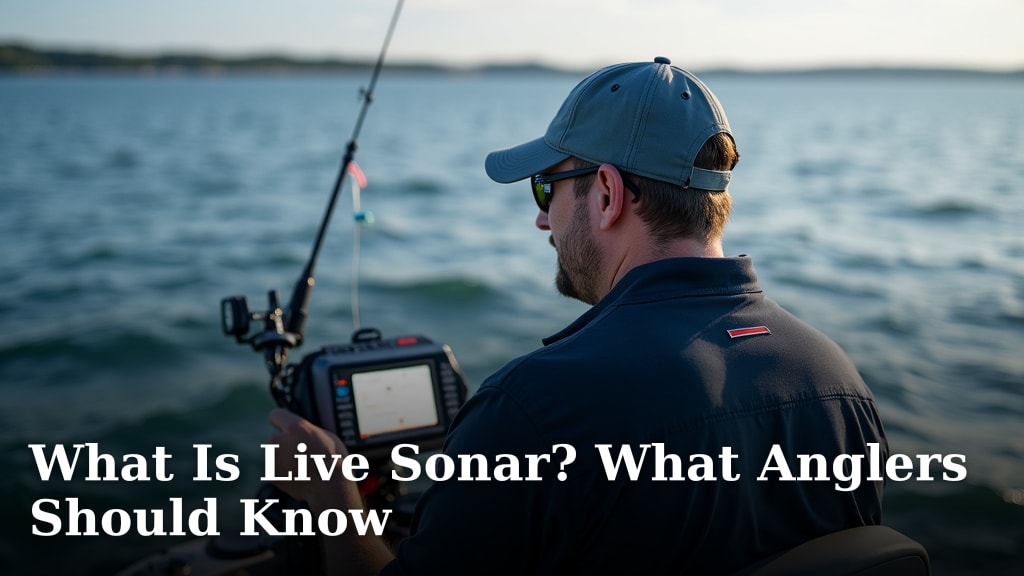
What Is Live Sonar? What Anglers Should Know
Live sonar is a fish-finding technology that shows you real-time images of what’s happening underwater. Think of it like seeing a live video feed of your fishing line and any fish nearby. Anglers use it to spot fish and understand their behavior right as it happens.
This advanced sonar uses high-frequency sound waves to create detailed pictures. Unlike traditional sonar that shows a history, live sonar gives you an immediate view. This means you can see fish react to your lure and make adjustments on the fly.
- Live sonar shows real-time underwater activity.
- It helps you see fish and their reactions instantly.
- It’s like a live video for your fishing lure.
- Anglers use it to find and catch more fish.
- This tech is changing how people fish.
Ready to understand how this exciting technology can help you catch more fish? Let’s dive into what you need to know about live sonar.
Understanding Live Sonar for Anglers
Live sonar technology is changing how we fish. It offers a real-time look at what’s happening below your boat. This isn’t like the sonar you might be used to. Those older systems show you a history of what passed by. Live sonar shows you what’s happening right now.
How Does Live Sonar Work?
At its core, live sonar uses sound waves to paint a picture of the underwater world. It sends out sound waves and listens for the echoes that bounce back. The system then translates these echoes into a visual display on your screen. Think of it like shouting into a canyon and listening to the echo return.
What makes it “live” is the speed and detail. The transducers on your boat are constantly sending and receiving. This creates an almost instant image. You can see fish swim by, watch them react to your bait, and even see your lure moving. It’s a direct window into their world.
What Sets Live Sonar Apart from Traditional Sonar?
The main difference is the immediacy of the image. Traditional sonar, often called 2D sonar or CHIRP sonar, shows you a path of what has already happened. It’s like looking in your rearview mirror. You see where you’ve been, not what’s directly in front of you.
Live sonar, on the other hand, gives you a live, forward-looking view. It’s like looking through your windshield. You can see what’s approaching or what’s currently in the water column around your bait. This allows for much more dynamic fishing tactics.
Key Components of a Live Sonar System
Most live sonar systems have a few main parts. You’ll have the display unit, which is your screen. This is where you see the images. Then there’s the transducer. This is the part that hangs in the water and sends out the sound waves.
The transducer is the “eye” of the system. It’s usually mounted on the trolling motor. This placement allows you to easily adjust the angle and direction of the sonar beam. You can sweep it left, right, forward, or down to see different areas.
Benefits of Using Live Sonar
For anglers, the benefits are pretty clear. It helps you understand fish behavior in real time. You can see if fish are curious about your lure or completely ignoring it. This information helps you change your approach.
Finding Fish More Effectively
One of the biggest advantages is locating fish. You can scan ahead of your boat or to the sides. This lets you actively search for fish rather than just waiting for them to appear on a traditional sonar screen. It’s like having a pair of binoculars for the underwater world.
Many anglers find it easier to identify bait balls or structure where fish might be holding. You can see the entire water column. This makes it easier to find fish that are suspended or swimming near the bottom.
Understanding Fish Behavior and Reactions
This is where live sonar really shines. You can see exactly how fish are reacting to your lure. Are they following it? Are they turning away? Do they spook when it gets too close?
You can experiment with different lure presentations. Maybe a faster retrieve works, or perhaps a slow, jerky action gets their attention. Watching their reactions live helps you make instant adjustments. This can be the difference between a bite and a missed opportunity.
Improving Your Lure Presentation
Knowing your lure’s action underwater is powerful. You can see how your lure moves with different retrieves. You can also see how it behaves when you stop reeling or twitch the rod tip. This helps you present your bait more effectively.
For example, you might see that your jig sinks too fast. Live sonar allows you to adjust your retrieve speed to match the sinking rate. You can also see if your lure is getting hung up on structure. This helps you avoid losing tackle and keeps your bait in the strike zone.
Situations Where Live Sonar Excels
Live sonar is particularly useful in certain fishing scenarios. It’s great for sight fishing, even when the water isn’t perfectly clear. You can see fish that you might not be able to spot with your eyes.
It’s also very effective when fishing around structure like brush piles, docks, or submerged trees. You can see the structure and any fish holding near it. This allows you to target those fish precisely.
When fishing for species that suspend in open water, like crappie or suspended bass, live sonar is a huge advantage. You can see these fish and present your bait directly to them.
What Anglers Need to Know Before Buying
Before you decide to invest in live sonar, there are a few things to consider. It’s a significant investment, both in terms of cost and learning curve. But for many, the results are well worth it.
Understanding the Different Types and Brands
There are several major brands offering live sonar technology. Each has its own strengths and display styles. You’ll find units with different screen sizes and resolutions. Some offer different sonar frequencies or viewing angles.
Common features include forward-facing sonar, down-imaging, and side-imaging capabilities. It’s wise to research the latest models and read reviews. Consider what features are most important for the type of fishing you do.
Cost Considerations
Live sonar systems can be quite expensive. The price can range from hundreds to thousands of dollars. The cost depends on the brand, screen size, and included features. You’ll also need to consider the cost of installation and any necessary accessories.
It’s important to set a budget before you start shopping. Think about what you can afford and what features you truly need. Sometimes, a slightly older model or a package with fewer bells and whistles can still be very effective.
Installation and Setup
Proper installation is key for optimal performance. The transducer needs to be mounted securely. It should also be positioned correctly on your boat. Many anglers install these systems themselves. Others prefer to have a professional installer do the work.
The setup involves connecting the transducer to the display unit. You’ll also need to power the unit. Some systems have complex networking options. Reading the owner’s manual thoroughly is a good first step.
The Learning Curve
Don’t expect to master live sonar overnight. There is a learning curve involved. Understanding how to interpret the images and adjust your settings takes practice. You’ll need to learn what different blips and shapes on the screen represent.
Many anglers spend time on the water simply observing. They watch how fish behave and how their lures look. Online forums and videos can also be very helpful. Patience is key to getting the most out of the technology.
What Anglers Should Look For
When choosing a system, consider the clarity of the image. Can you easily distinguish between fish, bait, and structure? Also, think about the range of the sonar. How far ahead or to the sides can you see?
The ease of use is another factor. Is the menu system intuitive? Can you quickly change settings while on the water? Many experts also recommend looking at the durability of the unit, as it will be exposed to the elements.
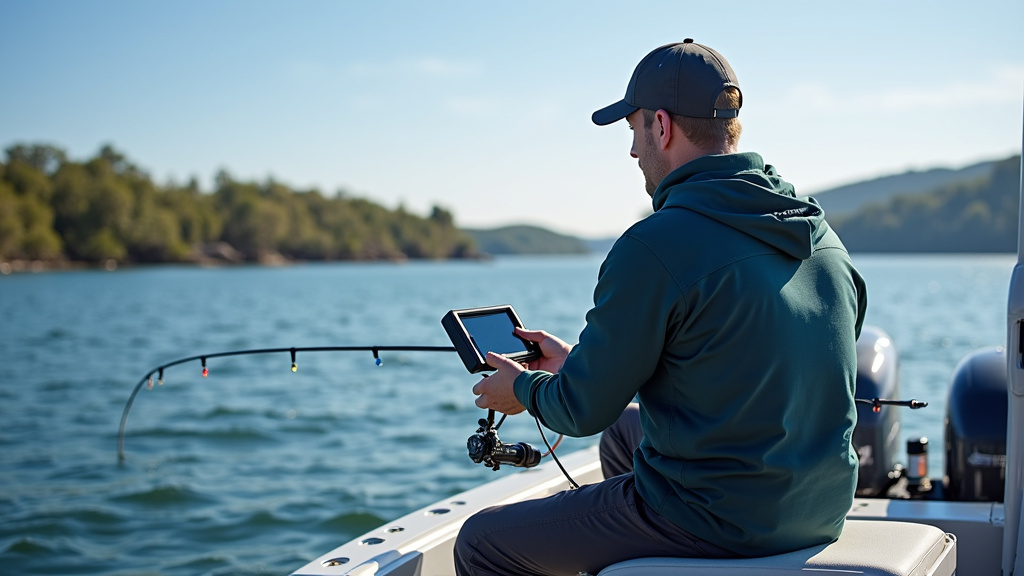
Tips for Using Live Sonar Effectively
Once you have your live sonar system, putting it to good use is the next step. Here are a few pointers to help you succeed.
Practice Makes Perfect
As mentioned, the learning curve is real. Spend time on the water just observing. Watch how your lure moves. See what happens when you stop reeling or twitch your rod. See how fish react to your bait.
Experiment with different transducer angles and zoom levels. Try different viewing modes. The more you use it, the more comfortable you’ll become with interpreting the images. You’ll start to recognize patterns.
Targeting Specific Fish
With live sonar, you can often target individual fish. If you see a nice bass or walleye, you can try to present your lure right in front of its face. This is a thrilling way to fish.
You can also see when fish are in a feeding mood. If they are actively chasing bait, you know it’s a good time to present a fast-moving lure. If they are more passive, a slower presentation might be better.
Don’t Forget the Basics
While live sonar is an amazing tool, it doesn’t replace fundamental fishing knowledge. Understanding fish behavior, seasonal patterns, and effective lure choices are still vital. Sonar is a tool to enhance your existing skills.
Researching the water you’re fishing is always a good idea. Knowing typical depths, structure, and what baitfish are present can help you interpret what your sonar is showing you.
A Checklist for Getting Started
- Ensure your transducer is securely mounted.
- Familiarize yourself with your display unit’s menus.
- Spend time practicing on familiar waters.
- Experiment with different lure presentations and retrieves.
- Learn to identify fish, bait, and structure on screen.
- Be patient; mastering the technology takes time.
Conclusion
Live sonar offers anglers a revolutionary way to see the underwater world. You can now watch fish react to your lure in real time. This technology helps you find fish more effectively and understand their behavior like never before. While there’s a learning curve and a cost, the ability to make instant adjustments can lead to more successful fishing trips.
Ready to improve your angling? Start researching live sonar systems that fit your fishing style and budget. The next time you’re on the water, you’ll have a clearer picture of what’s happening below the surface.
Frequently Asked Questions
How far can I see with live sonar?
The viewing range of live sonar varies by system and brand. Most systems can show you fish and structure up to 100-200 feet away. You can often adjust the range to suit your needs, whether you’re scanning ahead or focusing on a specific area.
Is live sonar difficult to learn?
There is a learning curve with live sonar, but it’s manageable with practice. You’ll need time to understand what you’re seeing on the screen and how to interpret fish behavior. Many anglers find that spending time just watching and experimenting is the best way to learn.
Can I use live sonar in murky water?
Yes, live sonar can be very effective in murky or stained water. Unlike your eyes, the sonar uses sound waves to detect objects. You can often see fish and structure even when visibility is poor. It helps you locate fish you might otherwise miss.
Does live sonar help with bait fishing?
Absolutely. Live sonar lets you see how your bait is behaving underwater. You can watch your bait sink, drift, or move with your retrieve. You can also see fish approach and interact with your bait, helping you decide when to set the hook.
What’s the biggest advantage of live sonar over traditional sonar?
The main advantage is the real-time, forward-looking view. Traditional sonar shows you what you’ve already passed. Live sonar allows you to see what’s directly in front of you, watch fish react to your lure, and make adjustments on the fly for more active fishing.