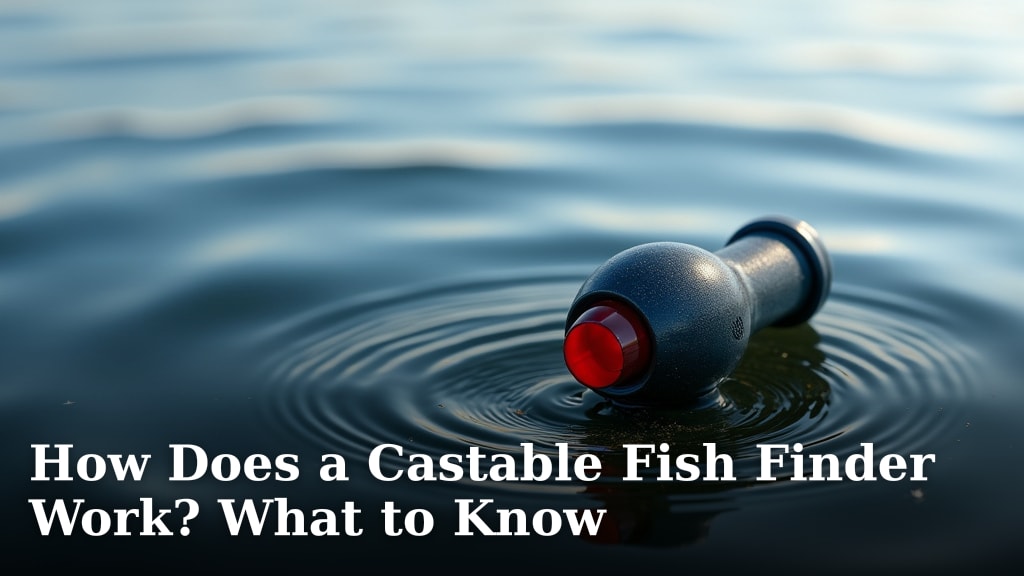
How Does a Castable Fish Finder Work? What to Know
How a Castable Fish Finder Actually Works
A castable fish finder uses sonar technology and your smartphone to see what’s under the water. It sends a sound wave down and listens for the echo. The time it takes to return tells it how deep the fish are.
You cast it out like a lure, and it sends that data back to your phone via Bluetooth. It’s like having a little underwater scout that reports back to you. The whole process is surprisingly simple once you understand the main parts.
The Core Technology: Sonar and Sound Waves
Every fish finder, even the fancy ones on boats, works with sonar. Sonar stands for Sound Navigation and Ranging. The castable unit has a small transducer inside. This part is both a speaker and a microphone.
Transmitting the Ping
The transducer fires a cone of high-frequency sound, often called a ping. This sound wave travels through the water. When it hits something harder than water—like a fish, the bottom, or a log—it bounces back.
Listening for the Echo
The same transducer listens for that returning echo. It measures the tiny time difference between sending the ping and getting the echo back. Water slows sound down, but the math is simple: the longer the delay, the deeper the object.
From Sonar Signal to Your Phone Screen
The raw echo data isn’t very useful. The magic happens in the companion app on your phone. The app processes this information and draws a picture for you.
The app’s algorithm interprets the strength and timing of the echoes. A strong echo from the bottom means a hard, rocky bottom. Softer echoes might mean mud or sand. Fish arches appear as distinct marks on the display. You’ll see depth numbers, bottom structure, and potential fish targets.
Key Components You’ll Be Using
When you buy a castable fish finder, you get a few main pieces. They work together to give you the full picture.
- The Castable Sonar Unit: This is the main device. It houses the transducer, battery, and transmitter. It’s waterproof and buoyant.
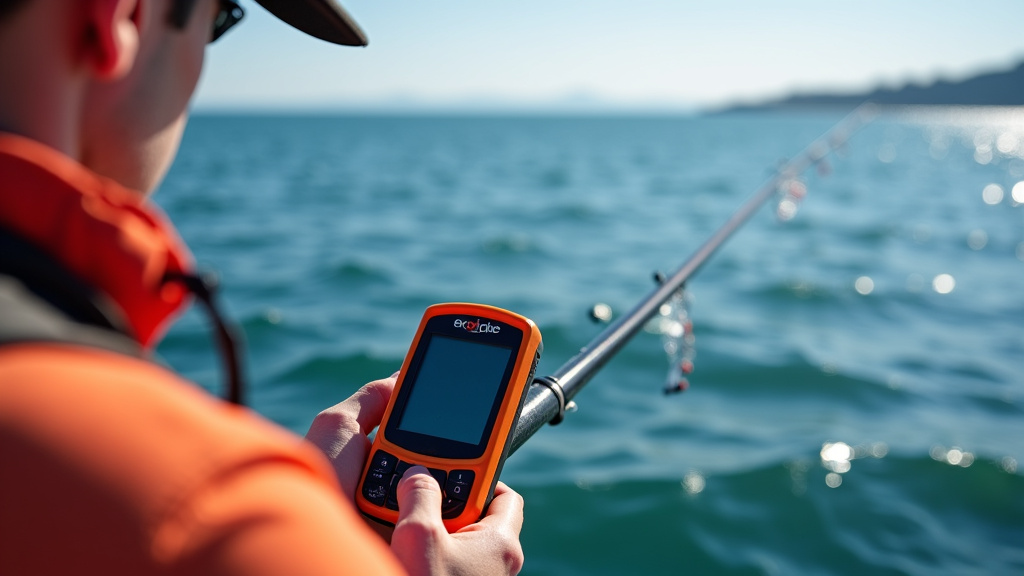
- Your Smartphone: You provide the screen. The free app (from the App Store or Google Play) turns sonar data into visual charts and readings.
- The Connecting Line: Most units come with a short rope or specialized line. You use this to tie the finder to your main fishing line or attach it directly.
Setting Up Your Castable Fish Finder for Success
Getting started is mostly about pairing and charging. The first setup takes a few minutes. After that, it’s just a matter of turning it on and launching the app.
- Charge the unit fully using the provided USB cable. A full charge gives you 6-10 hours of use, depending on the model.
- Download the companion app for your specific finder model from your phone’s app store.
- Turn on the unit and pair it with your phone via Bluetooth in your phone’s settings menu.
- Open the app and follow any final prompts. You’re ready to cast.
How to Read the Display Like a Pro
The app screen will show a scrolling picture of what’s below. On the right side, you’ll see the current water depth. The bottom appears as a thick line or colored zone.
Arch-shaped marks between the surface and bottom are classic fish signatures. Their vertical position tells you their depth. A cluster of marks might mean a school of baitfish. A single strong arch could be a larger predator nearby.
The Real Advantages for Everyday Anglers
You don’t need a bass boat to find fish. These devices give shore, dock, and kayak anglers a serious edge. They turn guesswork into a more informed search.
| Feature | What It Means For You |
|---|---|
| Portability | Fits in your pocket. Take it on hikes, to the dock, or on vacation without any hassle. |
| Low Cost | Costs a fraction of a traditional fixed-mount unit. A great way to try sonar tech. |
| Multiple Uses | Works from shore, a kayak, a canoe, a paddleboard, or even a small boat. |
| Ease of Use | The app interface is usually simpler than a dedicated marine electronics screen. |
The ability to see depth and structure instantly is a game-changer. Instead of casting blindly, you can target drop-offs, weed edges, or submerged trees. Many experts say understanding bottom contour is one of the biggest keys to consistent fishing (Field & Stream).
Practical Scenarios Where They Shine
Imagine you’re on a large lake shore. You cast out to find a deep channel close to land. Within minutes, your phone shows a drop-off 20 feet out. Now you know exactly where to focus your efforts. It removes the mystery of what’s happening below the surface.
Honest Limitations You Should Know About
No tool is perfect. Being aware of a castable finder’s limits will save you frustration. They are great for their intended purpose but aren’t a magic wand.
- Bluetooth Range: The connection to your phone is typically 50-100 feet. You need to stay within this range.
- Surface Noise: Choppy water or waves can create interference on the display, making it harder to read.
- Static Positioning: It shows what’s directly below where you cast. It doesn’t scan a wide area unless you move it.
- App Dependency: Your phone battery is now a critical part of your fishing gear. A dead phone means no display.
Research from outdoor tech reviewers often notes that calm water performance is significantly better than in rough conditions (Outdoor Life). Patience and a steady retrieval can help reduce noise.
Getting the Most From Your Castable Finder
A few simple habits will improve your results. Think of it as a discovery tool, not a guarantee.
Casting and Retrieval Tips
Casting like a normal lure is fine. But a slow, steady retrieve gives the sonar more time to paint a clear picture. Letting it sink and pause occasionally can mark different depths. In deeper water, allow it to sink near the bottom before retrieving.
Battery Management Strategies
Always start with a 100% charge. The Bluetooth connection drains power, so turn off the unit between uses. If you fish all day, a small portable power bank can be a lifesaver for recharging the unit during a break.
What to Look For When You Shop
Not all castable finders are created equal. Focus on features that matter for your type of fishing. Avoid paying for extras you won’t use.
✅ Your Quick Shopping Checklist:
- Battery Life: Aim for 8+ hours for a full day on the water.
- Depth Rating: Ensure it goes deeper than the waters you fish (e.g., 150ft+ for most lakes).
- Sonar Frequency: 2.0 MHz offers good detail for freshwater.
- App Compatibility: Check that it works with your specific phone model and OS.
- GPS Logging: Some models let you save waypoints of good spots you find.
Built-in GPS and Mapping Features
Premium models include GPS functionality. The app can plot your casts on a map. This helps you remember where that deep hole or structure was. You can save spots and return to them later. It turns random casting into a strategic search over multiple trips.
Maintenance and Care for Longevity
These devices are tough, but a little care helps. After each use, especially in saltwater, rinse it with fresh water. Let it dry completely before storing. Don’t leave it in a hot car or direct sunlight for long periods. The battery and electronics don’t like extreme heat.
Store it with the power off. Check the app occasionally for updates, which often add new features or improve performance. Treating it as a piece of electronic gear, not just a lure, will keep it working season after season.
Conclusion
A castable fish finder is a smart, portable tool that uses sonar and your smartphone to show you what’s below the surface. You learned how it sends and receives sound waves, how the app translates that data, and its real advantages for shore or kayak fishing. You also saw its honest limits, like Bluetooth range and water conditions. The key is using it as a discovery tool to map structure and find fish. Your next step is simple: charge the unit, download the app, and practice casting in a calm spot to get comfortable reading the display.
Frequently Asked Questions
How far can a castable fish finder detect fish?
The detection range depends on the model and water conditions. Most consumer units have a maximum depth rating between 100 and 150 feet. The actual fish-finding range is usually less than that maximum depth, especially in murky water.
Does a castable fish finder work in saltwater?
Yes, many models are designed for both freshwater and saltwater. However, you should rinse the unit with fresh water after every saltwater use to prevent corrosion. Always check the product specifications to confirm saltwater compatibility.
Can I use my castable fish finder while my line is moving?
Yes, but a slower retrieval provides clearer sonar images. A steady, moderate speed helps the transducer get consistent readings. If you reel in too fast, the display may become noisy or difficult to interpret.
Will it work with any smartphone?
Most work with modern iOS and Android devices, but you should verify compatibility. Check the manufacturer’s list before buying. An older phone with limited Bluetooth or a very small screen might reduce the experience.
How do I interpret the fish icons on the screen?
The app typically uses arches or fish symbols to represent sonar returns. Larger, distinct arches often indicate bigger fish, while clusters suggest baitfish. Your depth reading is on the side, so you can see where each mark is located in the water column.