What Is Bottom Hardness on a Fish Finder?
Bottom hardness on a fish finder is a measurement that tells you about the density of the lakebed or riverbed. It helps you understand if the bottom is soft mud, hard rock, or something in between. This is crucial for finding fish, as many species prefer specific bottom types.
Understanding bottom hardness can make a big difference in your fishing success. A hard bottom might hold baitfish, while a soft bottom could be home to different types of forage. Your fish finder uses sonar waves to determine this, bouncing them off the bottom to gauge its resistance. It’s like your fish finder is tapping on the bottom to see what it’s made of.
- Bottom hardness indicates the density of the lakebed.
- It ranges from soft mud to hard rock.
- Fish often prefer certain bottom types.
- Your fish finder uses sonar to measure it.
- Knowing this can improve your catch rate.
Let’s break down what bottom hardness means for your fishing trips and how to interpret those readings on your fish finder.
Understanding Your Fish Finder’s Bottom Hardness Readings
Your fish finder can tell you more than just the depth of the water. It can also give you clues about what lies beneath the surface. One of these clues is bottom hardness. This tells you about the density of the lakebed or riverbed. It helps you understand if the bottom is soft mud, hard rock, or something in between. This is important for finding fish, as many species prefer specific bottom types.
Knowing the bottom type can make a big difference in your fishing success. A hard bottom might hold baitfish, while a soft bottom could be home to different types of forage. Your fish finder uses sonar waves to determine this. It bounces them off the bottom to gauge its resistance. It’s like your fish finder is tapping on the bottom to see what it’s made of. Let’s dive into what these readings mean for your fishing trips.
How Your Fish Finder Detects Bottom Hardness
Your fish finder uses sound waves, called sonar, to map out the underwater world. When you send out a sound wave, it travels down to the bottom. Then, it bounces back up to your transducer. The time it takes for the sound wave to return, and how strong the returning signal is, tells your fish finder a lot.
Think of it like tapping on different surfaces. If you tap on a piece of soft carpet, the sound is muffled. If you tap on a concrete floor, the sound is sharp and clear. Your fish finder does something similar with sonar. It measures how much of the sound wave is reflected back.
The Science Behind the Signal
The strength of the returning sonar signal is what indicates bottom hardness. A strong, clear signal usually means the bottom is hard. This could be rock, gravel, or hard-packed sand. A weaker signal often means the bottom is softer. This could be mud, silt, or thick vegetation.
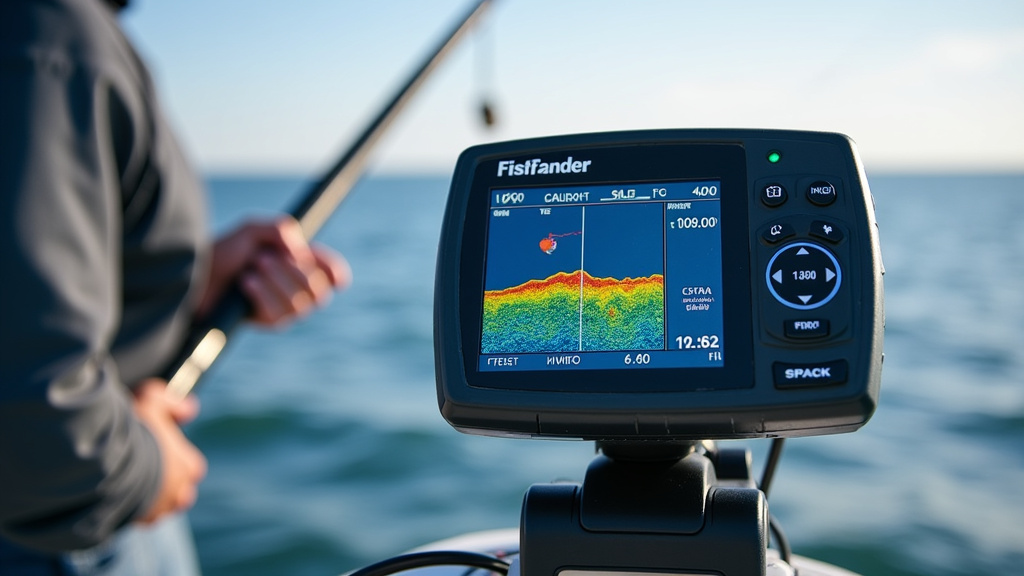
Your fish finder’s display translates these signal strengths into visual cues. You might see different colors or shades representing different bottom types. The exact way it’s shown can vary between brands and models. But the principle is the same: stronger returns mean harder bottoms.
Interpreting Bottom Hardness on Your Display
Most fish finders will show you a symbol or color code for the bottom composition. You’ll often see readings that range from very soft to very hard. Understanding these symbols is key to using this information effectively.
Look at the icons or color bars on your fish finder. They usually come with a legend or description in your manual. This will tell you what each reading signifies. Don’t just glance at it; take a moment to learn what your specific unit is telling you.
Common Bottom Hardness Indicators
Generally, you’ll find a spectrum of indicators. These can include:
- Soft Mud/Silt: Often shown as a green or lighter color. These bottoms absorb a lot of the sonar signal.
- Clay/Hard Mud: Might appear as a yellow or orange. It’s a bit more reflective than soft mud.
- Gravel/Small Rocks: Often indicated by a blue or a darker shade. These surfaces reflect the sonar strongly.
- Rock/Hard Bottom: Usually displayed as a dark blue, purple, or red. These are the most reflective surfaces.
These colors are not universal, so always check your fish finder’s manual. What is red on one unit might be purple on another. The goal is to understand the relative hardness, not to memorize specific colors across different brands.
What Different Bottoms Mean for Fish
Fish behavior is often tied to the type of bottom they inhabit. Different species have different preferences for shelter, feeding, and spawning.
Hard Bottoms: Attracting Baitfish and Predators
Hard bottoms like rock and gravel are great places to find baitfish. Small minnows and shad like to hang around these structures. Why? Because they offer protection from predators and often have good water flow. Baitfish will feed on insects and algae that grow on these surfaces.
Where you find baitfish, you’ll often find larger predatory fish. Bass, walleye, and pike are known to patrol these areas. They use the structures for cover to ambush their prey. So, when your fish finder shows a hard bottom, it’s a good sign that food might be present.
Soft Bottoms: Forage and Specific Species
Soft bottoms, like mud and silt, might not seem as appealing. However, they are home to a different set of food sources. Worms, insect larvae, and certain types of crustaceans live in the mud. Many bottom-feeding fish, such as catfish and some types of panfish, will forage in these areas.
Some fish also prefer soft bottoms for spawning or resting. For instance, crappie might relate to sunken logs or brush piles over softer substrate. Understanding that softer bottoms can also hold fish, and different kinds of fish, is important.
Transition Zones: Where the Action Happens
Often, the most productive fishing spots are not just one type of bottom. Instead, they are areas where two different bottom types meet. These “transition zones” offer a variety of habitats and food sources.
Imagine a drop-off from a hard gravel bank into a soft mud flat. Fish can move between these areas easily. They can hide in the softer mud or hunt around the harder edges. Your fish finder can help you identify these rich transition areas. Look for where the bottom hardness readings change.
Using Bottom Hardness to Your Advantage
Now that you know what bottom hardness is, how can you use it to improve your fishing?
Scouting New Waters
When you’re on a new lake or river, use your fish finder to get a lay of the land. Sweep across different areas and observe the bottom composition. This can help you map out promising spots without even casting a line.
Look for areas with changes in bottom hardness. These are often good starting points. You might find a large rock pile on a sand flat, or a weed line that transitions into deeper, softer mud. These spots are natural gathering places for fish.
Targeting Specific Species
Different fish prefer different habitats. If you’re targeting bass, you might look for rocky points or submerged structure over hard bottoms. If you’re after catfish, you might focus on deeper holes with softer mud where they can find worms.
Researching the preferred habitat of the species you’re trying to catch is a good first step. Then, use your fish finder to confirm those habitats exist in your fishing area. For example, many experts say that walleye often relate to hard bottoms with structure (New York State Department of Environmental Conservation).
Reading the Fish Finder’s Sonar Returns
Beyond just the bottom hardness icon, pay attention to the sonar returns themselves. Sometimes, you’ll see wisps of baitfish showing up over a hard bottom. Or you might see larger arches that indicate game fish lurking near structure.
Don’t just rely on the bottom hardness setting. Combine it with your knowledge of fish behavior and what you see on the sonar screen. This holistic approach will make you a much more effective angler.
Troubleshooting Bottom Hardness Readings
Sometimes, your fish finder might give readings that seem a bit off. There are a few reasons why this might happen.
Interference and False Readings
Other boats’ sonar systems, or even certain types of underwater structures like bridge pilings, can sometimes interfere with your readings. This can lead to confusing or inaccurate bottom hardness information.
Also, very shallow water can sometimes be tricky for sonar. The sound waves might not have enough time to fully bounce back and be interpreted correctly. In these situations, trust your eyes and feel for what the bottom is like.
Understanding Your Unit’s Capabilities
Not all fish finders are created equal. Some have more advanced sonar technology and better processing power. This allows them to provide more accurate and detailed bottom hardness information.
If you have an older or simpler fish finder, its bottom hardness feature might be less precise. For these units, the color or icon is more of a general guide. Focus on the main trends rather than subtle differences.
Here’s a quick checklist to help you make the most of your bottom hardness readings:
- Check your manual for your fish finder’s specific bottom hardness indicators.
- Observe transitions where different bottom types meet.
- Correlate readings with known fish habitats for your target species.
- Look for baitfish schools near structures on hard bottoms.
- Don’t rely solely on one piece of information; combine it with other sonar data.
- Be patient and learn how your unit interprets different bottom conditions.
Conclusion
Understanding your fish finder’s bottom hardness readings is a powerful tool for any angler. You’ve learned how sonar helps detect if the lakebed is soft mud, hard rock, or something else entirely. This knowledge directly impacts where fish might be feeding, resting, or hiding. By paying attention to these readings, especially at transition zones where bottom types change, you can make more informed decisions on where to cast your line.
Start by checking your fish finder’s manual to understand its specific indicators. Then, begin actively observing these readings on your next trip. You’ll find that knowing your bottom composition can significantly improve your fishing success.
Frequently Asked Questions
Do all fish finders show bottom hardness?
Most modern fish finders include a bottom hardness or bottom composition feature. However, the accuracy and detail can vary greatly between models. Simpler units might offer a general indication, while advanced ones provide more precise readings.
Can I see bottom hardness in very shallow water?
Sometimes, bottom hardness readings can be less accurate in extremely shallow water. The sonar signal may not have enough distance to return clearly to the transducer. In these cases, visual cues and your own experience might be more reliable.
What if my fish finder shows the same bottom type everywhere?
This could mean the bottom composition is consistent in that area. It might also indicate a limitation of your fish finder’s detection capabilities. Try moving to different locations or checking your unit’s settings to ensure it’s optimized.
Does bottom hardness affect lure choice?
Yes, absolutely. If you’re fishing over hard bottoms with structure, lures that mimic baitfish or crawfish might work well. For softer bottoms where worms and larvae are present, lures that create vibration or imitate those forage types could be more effective.
How often should I check my fish finder’s bottom hardness setting?
It’s a good practice to monitor bottom hardness throughout your fishing trip. As you move to different areas of a lake or river, the bottom composition can change dramatically. Regularly checking the display helps you adapt your strategy.