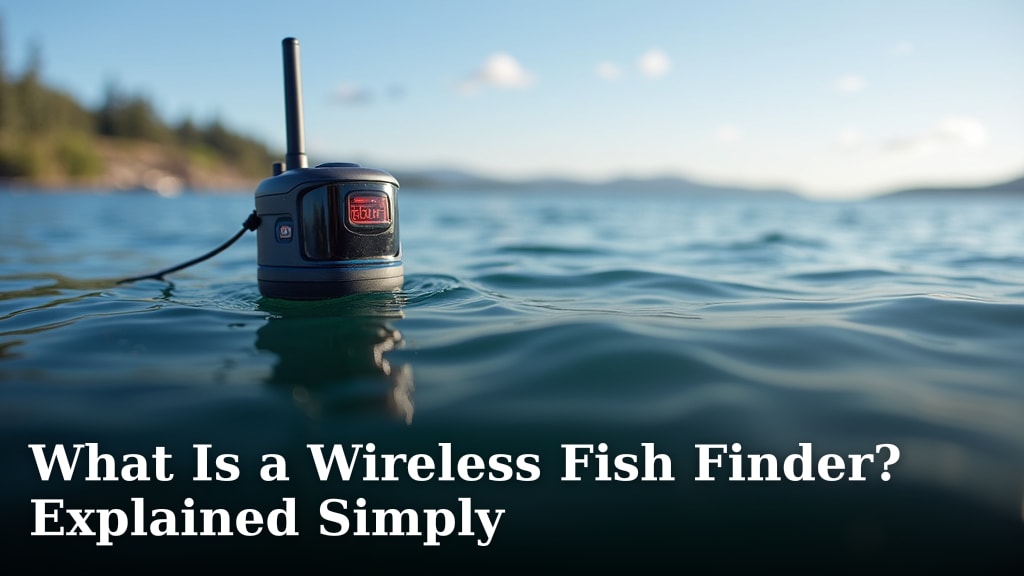
What Is a Wireless Fish Finder? Explained Simply
A wireless fish finder is a portable device that uses sonar technology to detect fish and underwater structures without needing messy wires. It works by sending sound waves into the water and interpreting the echoes that bounce back. This helps you locate fish and understand the bottom contour of your fishing spot.
Think of it as your underwater eyes. It shows you what’s beneath the surface, like fish schools, submerged objects, and the depth of the water. This information can greatly improve your chances of catching fish by showing you where they are hiding.
- A wireless fish finder shows you where fish are.
- It uses sonar to see underwater.
- No wires means easy setup.
- It helps you find fish and understand the bottom.
- Makes fishing easier and more successful.
Ready to see what’s below? Let’s take a closer look at how these handy gadgets work and what they can do for your next fishing trip.
Understanding How Wireless Fish Finders Work
So, you’re curious about these wireless fish finders? They’re like a secret weapon for anglers. They use sound waves to map out what’s under your boat. It’s a bit like sonar on a submarine, but much smaller and easier to use. This technology helps you see fish and understand the lakebed. You won’t need any tangled wires running from your boat to a screen. This makes setup and use much simpler.
The Magic of Sonar Technology
At its core, a wireless fish finder relies on sonar. Sonar stands for Sound Navigation and Ranging. The device sends out sound waves, which travel through the water. When these waves hit something – a fish, a rock, or the bottom – they bounce back. This is called an echo. The fish finder then interprets these echoes.
Sending the Sound
The main component for sending sound is called a transducer. In a wireless fish finder, this transducer is often built into the bait or lure that you cast. Some models have a separate floating transducer that you attach to your line. This transducer acts like a tiny speaker, emitting a cone of sound waves. These waves go downwards and outwards into the water. The frequency of these waves can vary. Lower frequencies travel farther and deeper, while higher frequencies give a more detailed picture of smaller areas (Garmin).
Receiving the Echoes
The same transducer also acts as a microphone. It listens for the echoes returning from underwater objects. The time it takes for the echo to return tells the device how far away the object is. The strength of the echo can indicate what kind of object it is. For example, a hard bottom like rock might return a strong echo, while soft mud returns a weaker one.
Interpreting the Data
The captured echo data is sent wirelessly to a display unit. This unit can be a dedicated handheld device, a smartphone app, or even your smart watch. The software then translates these echoes into visual information. You’ll see symbols representing fish, the depth of the water, and the contour of the bottom. This visual display is what helps you make better fishing decisions.
Key Features and Components of Wireless Fish Finders
When you’re looking at wireless fish finders, you’ll notice a few common parts and features. Understanding these will help you pick the right one for your needs. They are designed to be user-friendly and effective for anglers of all levels.
The Wireless Transducer
This is the heart of the wireless system. Unlike traditional fish finders where the transducer is mounted on the boat, this part is designed for casting or floating. You might cast it out like a bobber or attach it to your fishing line. Some popular designs include a small, waterproof unit that floats on the surface and transmits data back to your device.
The Display Unit (Your Screen)
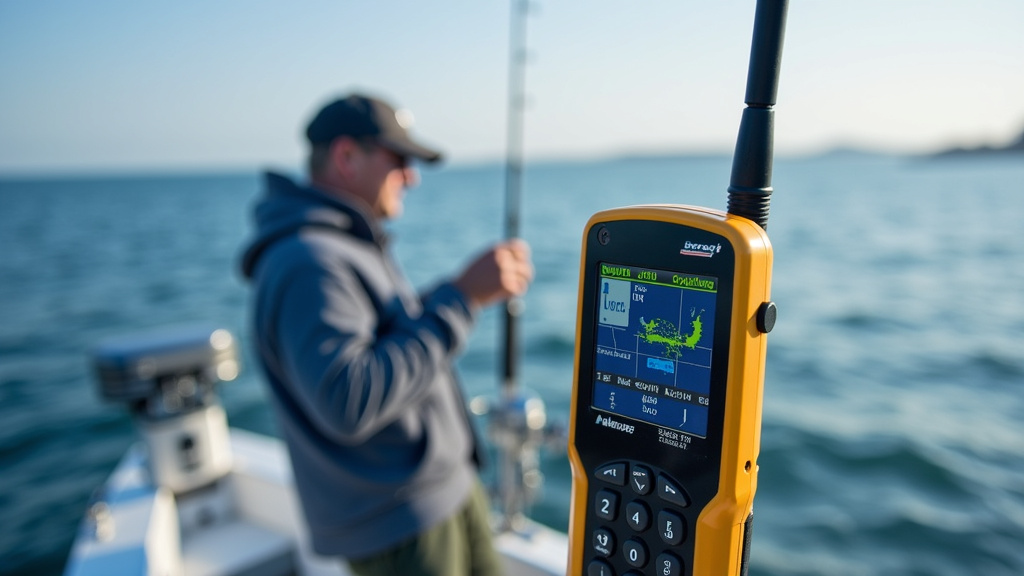
This is what you look at to see the underwater world. For many wireless models, your smartphone or tablet serves as the display. You’ll download an app that communicates with the transducer. This app shows you the sonar readings in real-time. Other models might come with a small, dedicated handheld screen, similar to a remote control.
Connectivity: How They Talk
The “wireless” part is important. These devices use various technologies to communicate. Bluetooth is common for shorter ranges. For longer distances, some use Wi-Fi. The transducer sends the sonar data to your phone or display unit without any cables. This freedom from wires is a major advantage.
What the Display Shows You
The information you get is displayed in a few key ways. You’ll see a scrollable screen showing the bottom contour. It might look like a series of peaks and valleys. Fish icons often appear above the bottom. The size of the icon might indicate the size of the fish, though this isn’t always perfectly accurate. You’ll also see the water depth clearly marked.
Why Choose a Wireless Fish Finder for Your Fishing Trips?
Now that you know how they work, let’s talk about why you might want one. These devices are particularly useful for certain types of fishing. They offer a convenient way to gain underwater awareness. You can often use them in places where traditional fish finders are impractical.
Perfect for Shore and Kayak Fishing
If you fish from the shore, a pier, or a kayak, a wireless fish finder is ideal. You can’t easily mount a transducer on a kayak or a pier. But with a wireless one, you can cast the transducer out. You then watch the readings on your phone. This gives you valuable information about depth and structure. It helps you find spots where fish might be hiding.
Ease of Use and Portability
Compared to wired systems, wireless fish finders are incredibly easy to set up. You just need to pair the transducer with your display device. No drilling holes in your boat or running wires. They are also very portable. You can easily pack them in your tackle box or backpack. This makes them great for travel or for anglers who use multiple fishing spots.
Cost-Effectiveness
Often, wireless fish finders are more affordable than complex, permanently installed marine electronics. Your smartphone can act as the display, saving you the cost of an extra screen. While there are still professional-grade wireless units, many entry-level models are quite budget-friendly. This makes them accessible for casual anglers.
Understanding Your Fishing Environment Better
Beyond just spotting fish, these devices help you understand the underwater terrain. Knowing where drop-offs, weeds, or submerged structures are located is key to finding fish. Fish often use these features for cover or as feeding grounds. A wireless fish finder reveals these hiding spots to you.
Getting the Most Out of Your Wireless Fish Finder
Just having the device is only part of the equation. To truly benefit, you need to know how to use it effectively. Here are some tips we found that can help you become a more successful angler with your new gadget.
Learn to Read the Sonar Display
The sonar screen can look like a jumble of lines at first. But with practice, you’ll learn to interpret it. Pay attention to the bottom contour. Are you fishing over mud, sand, or rocks? Look for arches or other symbols that indicate fish. Don’t assume every symbol is a giant bass; sometimes, they represent smaller fish or even debris.
Understand Depth and Temperature
Many wireless fish finders display the water depth and sometimes the water temperature. Fish behavior changes with depth and temperature. For example, in hot weather, fish might move to deeper, cooler water. Knowing these readings helps you predict where fish might be at different times of the day or year. Many aquatic studies confirm that water temperature is a major factor in fish location (USGS).
Experiment with Transducer Placement
If you’re using a bait or lure-style transducer, experiment with how you rig it. Try different depths and distances from your boat or shore position. For kayak anglers, test different mounting options if available. Proper placement ensures you’re getting the best possible sonar readings.
Know Your Device’s Limitations
While incredibly useful, wireless fish finders have limits. Accuracy can be affected by water conditions like murkiness or heavy waves. Some models have a limited range, so you can’t cast them too far from your display. Also, very small baitfish or very shallow water might be harder to detect clearly. It’s important to manage your expectations.
Here’s a quick checklist to get you started:
- Charge your transducer and display device fully.
- Download and install the correct app on your smartphone.
- Pair your transducer with your display device via Bluetooth or Wi-Fi.
- Test the device in shallow water first to understand the readings.
- Practice interpreting the bottom contour and fish symbols.
- Keep your transducer clean for optimal performance.
Conclusion
You now understand how wireless fish finders work and why they can be a great addition to your fishing gear. They use sonar to show you fish and the underwater world without messy wires. This makes them easy to use for shore, kayak, or boat anglers. By learning to read the sonar display and understanding depth, you can improve your fishing success. Ready to try one? Consider your typical fishing spots and choose a model that fits your needs. You’ll gain a new perspective on where the fish are hiding.
Frequently Asked Questions
Can I use a wireless fish finder with any smartphone?
Most wireless fish finders connect to smartphones via Bluetooth or Wi-Fi. You’ll need to download a specific app for your device. Check the product’s compatibility list to ensure it works with your phone’s operating system, like iOS or Android.
How far can I cast a wireless fish finder transducer?
The casting range varies greatly by model. Some affordable units might only work effectively within 50-100 feet. Higher-end models can transmit data over 200 feet or more. Always check the manufacturer’s specifications for the advertised range.
Will a wireless fish finder work in murky water?
Wireless fish finders can still work in murky water, but readings might be less detailed. Sonar signals can be weakened by suspended particles. You might see less definition of the bottom or smaller fish. However, you can still detect larger structures and fish schools.
Do I need a boat to use a wireless fish finder?
No, you absolutely do not need a boat. Wireless fish finders are perfect for fishing from the shore, a pier, a kayak, or a canoe. You simply cast the transducer out from your location and view the readings on your phone or handheld display.
Are wireless fish finders difficult to maintain?
Maintenance is usually quite simple. Keep the transducer clean and dry when not in use. Ensure its battery is charged. For smartphone models, make sure your app is updated. Most units are built to be durable and waterproof for fishing conditions.