What Is CHIRP Sonar? Here’s What to Know
CHIRP sonar is a type of fish finder technology that uses multiple frequencies to send and receive sonar signals. This results in much clearer images of what’s underwater compared to traditional sonar. It’s a big step up for anglers wanting to see more detail.
Unlike older sonar that uses a single frequency, CHIRP sweeps through a range of frequencies. This allows you to see fish, bait, and bottom structure with impressive clarity and definition. Many boat owners find it makes a noticeable difference when fishing.
- CHIRP sonar uses a range of frequencies.
- It shows clearer images of underwater objects.
- You can see fish, bait, and structure better.
- It’s an upgrade from traditional sonar.
Ready to understand how this advanced sonar works and what it means for your time on the water? Let’s dive into the details of CHIRP sonar.
Understanding CHIRP Sonar Technology
You’re probably wondering how CHIRP sonar actually works. It’s quite a clever system. Traditional sonar sends out a single, short pulse of sound. Think of it like a quick tap on a drum. CHIRP sonar, on the other hand, sends out a long pulse of sound. This pulse covers a wide range of frequencies, from low to high. It’s more like a musical chord being played. This allows the system to gather much more information with each ping.
This long pulse is like painting with a broad brush. It captures more detail than a single short tap. The sound waves travel down, bounce off whatever is below, and come back. CHIRP sonar then listens to this returning echo. It can tell the difference between the various frequencies within that echo. This ability to differentiate is key to its sharper images.
How CHIRP Sonar Differs From Traditional Sonar
Traditional sonar uses a single frequency. This means it gets a single piece of information back with each ping. If you’ve used older fish finders, you might have seen images that are a bit fuzzy. You can tell there’s something there, but pinpointing its exact shape or size can be tough. That’s the limitation of a single frequency.
CHIRP sonar works differently. It uses multiple frequencies in a single pulse. This is like using a full spectrum of light instead of just one color. The sonar “sees” a broader picture. We found that this leads to much better target separation. You can see individual fish much more clearly. You can also tell the difference between bait balls and schools of fish more easily. The bottom structure also appears more defined.
Frequency Range Explained
CHIRP stands for Compressed High Intensity Radar Pulse. That might sound technical, but it just means the system uses a broad range of frequencies. For example, a traditional sonar might operate at a single frequency like 200 kHz. A CHIRP system might sweep from 25 kHz to 200 kHz within a single pulse. This sweeping action is what makes it so powerful.
The wider the frequency range, the more detail you can potentially see. Different frequencies are better at different things. Low frequencies travel further in water and can see deeper. High frequencies offer more detail but have a shorter range. CHIRP systems intelligently combine these. They give you both depth and detail. Many boat owners report a significant upgrade in image quality.
The Benefits You’ll Notice on the Water
So, what does this all mean for your fishing trips? The biggest benefit is clearer underwater images. You’ll be able to identify fish with more confidence. You can distinguish between a single large fish and a small school. You can also see details in underwater structure that you might have missed before. This includes rocks, weed beds, and drop-offs.
CHIRP sonar also helps reduce noise and clutter on your screen. Traditional sonar can sometimes show a lot of “noise.” This can make it hard to spot what you’re looking for. CHIRP’s advanced signal processing filters out much of this unwanted interference. You get a cleaner picture. This means less guesswork and more accurate readings. You can spend less time trying to interpret a fuzzy screen and more time fishing.
Improved Target Separation
Imagine trying to see two closely packed coins on a blurry photo. That’s a bit like what traditional sonar can sometimes show. With CHIRP sonar, it’s like having a high-definition camera. You can easily see that those are two separate coins. This improved target separation is a game-changer for anglers.
You can see individual fish in a school. You can also tell the difference between a fish and your lure. This is especially helpful when you’re trolling or jigging. Being able to see how fish are reacting to your bait is a huge advantage. We found that this level of detail allows for more informed fishing decisions.
Better Bottom Detail and Structure Identification
The bottom of a lake or ocean isn’t always flat and smooth. There are humps, ditches, and changes in the bottom composition. CHIRP sonar excels at showing these details. You can see the difference between hard and soft bottoms. You can also spot underwater cover like submerged trees or rocks more easily. This information is vital for locating where fish like to hide.
Understanding the bottom structure helps you predict where fish might be. For example, fish often hang out near drop-offs or structures. If your CHIRP sonar shows a sharp drop-off, you know it’s a good place to focus your efforts. Many anglers consider this ability to “read” the bottom to be one of the most significant advantages of CHIRP.
Types of CHIRP Sonar Systems
Not all CHIRP systems are created equal. You’ll find a few different types on the market. These mainly vary by the number of frequencies they use and the transducer they employ. Understanding these differences can help you choose the right one for your needs.
Broad Spectrum CHIRP
This is the most common type of CHIRP you’ll find. Broad Spectrum CHIRP uses a wide range of frequencies. It offers excellent detail and target separation. Most modern fish finders use some form of Broad Spectrum CHIRP. It’s a great all-around performer for most anglers.
Dual-Band CHIRP
Some systems offer Dual-Band CHIRP. These systems allow you to select two specific frequency bands. You might choose a low frequency for deep water and a high frequency for shallow water detail. This gives you more control. You can tailor the sonar to specific fishing conditions. It offers a good balance between depth and detail.
Triple-Band CHIRP
As the name suggests, Triple-Band CHIRP offers three distinct frequency channels. This provides even more versatility. You can switch between wide, medium, and narrow beam angles. Each channel is optimized for different conditions. This is often found on higher-end units. It’s designed for serious anglers who want the best possible information.
What to Look for When Buying CHIRP Sonar
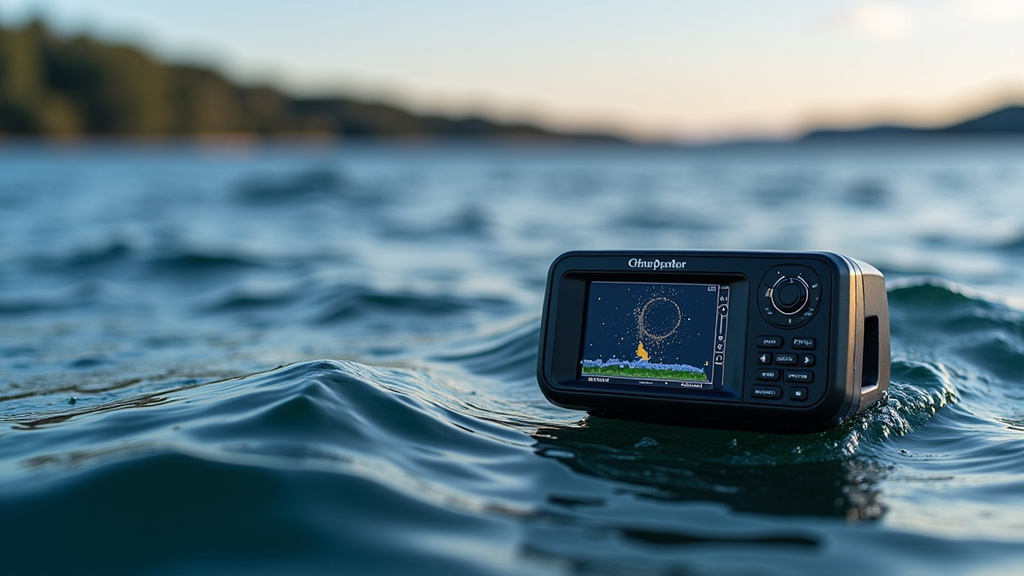
When you’re in the market for a CHIRP sonar system, there are a few things to consider. The transducer is a key component. It’s the part that actually sends and receives the sound waves. The quality of the transducer will significantly impact the performance of your CHIRP sonar.
Transducer Considerations
CHIRP transducers are often larger than traditional ones. This is because they need to house multiple elements to transmit different frequencies. You’ll see options like transom-mount transducers or in-hull transducers. Think about how you want to install it on your boat. Also, consider the frequencies your transducer supports. Wider frequency ranges generally mean better performance.
Screen Resolution and Size
The clarity of the CHIRP image also depends on your fish finder’s screen. A higher resolution screen will display the detailed information from CHIRP more effectively. A larger screen can also make it easier to interpret the images. You’ll want a screen that is easy to read in bright sunlight. Consider the size that fits your boat’s console.
Power Output and Depth Capability
The power output of your sonar system affects its range and ability to see in deeper water. CHIRP systems often have a good power output. This allows them to send strong signals. Make sure the system’s depth capability meets your needs. If you fish in very deep water, you’ll need a system designed for that.
Here’s a quick checklist to help you evaluate CHIRP sonar options:
- Does it support a wide frequency range?
- Is the transducer suitable for your boat type?
- Does the screen have good resolution and brightness?
- What is the power output and maximum depth?
- Is the user interface easy to navigate?
- Are there options for adding other features like GPS?
Conclusion
You now understand how CHIRP sonar gives you a clearer view beneath your boat. By using a range of frequencies instead of just one, CHIRP technology provides sharper images. You can better identify fish, understand bottom structure, and reduce screen clutter. This advanced sonar helps you make more informed decisions on the water. Ready to upgrade your fishing experience? Consider a CHIRP system for your next boat electronics purchase.
Frequently Asked Questions
Does CHIRP sonar actually make a difference for casual anglers?
Yes, CHIRP sonar provides noticeably clearer images. Even for casual anglers, this means you can more easily distinguish between fish, bait, and underwater structures. You’ll spend less time guessing and more time enjoying your time on the water.
Is CHIRP sonar difficult to set up or use?
Most CHIRP systems are designed to be user-friendly. While the technology behind it is advanced, the interface on modern fish finders is often intuitive. We found that setup is typically similar to traditional sonar units.
Can I use a CHIRP transducer with my old non-CHIRP fish finder?
Generally, no. CHIRP sonar requires a compatible CHIRP transducer and a CHIRP-enabled fish finder unit. You cannot simply swap out the transducer and expect CHIRP performance on older technology.
Are all CHIRP fish finders expensive?
While CHIRP technology is an upgrade, prices have become more accessible. You can find CHIRP systems at various price points. Consider your fishing needs and budget when looking at different models.
Does CHIRP sonar work better in shallow or deep water?
CHIRP sonar is effective in both shallow and deep water. Different frequency ranges within a CHIRP system are optimized for various depths. This versatility allows CHIRP to provide detailed information across a wide range of water conditions.