How to Use an Anchor Rope Bag
To use an anchor rope bag, coil the line loosely inside, secure the anchor end, and feed rope out from the top as you lower the anchor. Keep the bag upright and the line clear of feet, rails, and the propeller.
On this page (7 sections)
To use an anchor rope bag, coil the line loosely inside, attach the anchor securely, and feed rope out from the bag as you lower the anchor. Keep the bag upright, the opening clear, and the line away from feet, rails, and the propeller.
A rope bag keeps line contained and ready to pay out. It doesn't replace a sound anchor connection, enough rode for the conditions, or a safe plan for handling the line.
How do you load an anchor rope bag?
Start by attaching the anchor end, then coil the rope loosely into the bag. A loose, even coil can feed out more freely than tight loops or crossed line.
Lay the bag flat or hold it open while loading. Feed the rope into the bag in broad coils, following its natural shape instead of twisting it into small circles.
Leave the anchor end easy to find and keep the working end accessible at the opening. If the bag has a tie-down or closure, use it only as directed so it doesn't trap the line.
Before loading, inspect the rope for knots, fraying, cuts, or stiff areas. A damaged section can catch during deployment, so repair or replace suspect rope before relying on it.
For a broader look at anchor choice and setup, see our boat anchor guide. If the storage question is about the anchor itself, how to store a boat anchor covers keeping the anchor secure between trips.
How do you deploy an anchor from the bag?
Set the bag where the rope can run freely, then lower the anchor while allowing the rope to pay out from the opening. Keep the bag upright and control the line with your hands clear of pinch points.
Check the route from the bag to the water before you deploy. Move loose gear, feet, and fishing lines out of the way, and keep the rope clear of the motor and propeller.
Lower the anchor in a controlled way rather than throwing it. Let the rope leave the bag without pulling against a snag or allowing a large slack loop to form on deck.
Once the anchor reaches the bottom, pay out the needed rode for the depth and conditions, then secure the line to a suitable point on the boat. Our guide to anchor rope and chain kits compares ready-assembled rode options.
Follow the anchor and boat manufacturers' instructions, and account for wind, current, bottom type, and nearby traffic.
What should you check before the rope leaves the bag?
Confirm the anchor is attached, the line is clear, and the bag cannot slide overboard. Check that the rope feeds from the opening without crossing under another coil.
If the bag has a handle or attachment point, use it only for the bag's intended purpose. Don't assume it is a lifting point for the anchor or a tie-off for a loaded rode.
Make sure the anchor connection is closed and secure. Keep fingers away from the shackle or other hardware while the line is under tension.
What should you do if the rope snags?
Stop lowering the anchor as soon as the rope catches. Don't jerk the line or keep letting it run, because tension can tighten a knot or pull the bag toward the edge.
Bring the line under control, then identify where it is caught. Clear the snag by hand only when the line is slack and the boat is steady.
Check whether the rope crossed itself inside the bag, caught on hardware, or snagged on an item on deck. Re-coil the line if needed, then resume deployment slowly.
If the anchor is already set and the rope is loaded, avoid reaching into a pinch point or trying to free a line under heavy tension. Change the boat's position or follow the anchor maker's recovery guidance when it is safe to do so.
How do you retrieve and repack the anchor rope?
Bring the anchor up under control, then coil the rope loosely back into the bag. Keep the line clear of the propeller and don't let a pile of rope collect around your feet.
As you retrieve, look for damage or debris on the line. Rinse away salt or mud when appropriate, and let the rope drain before packing it for transport.
Feed the line into the bag in broad coils rather than stuffing it in a tight bundle. Check that the anchor end is easy to reach for the next use and close the bag only after the rope is arranged as its instructions specify.
A rope bag is one option for containing rode on deck. Compare a best anchor rope bag for boat setup with a best boat anchor rope holder if you need a fixed place to secure or route line.
Do you need a rope bag, holder, or reel?
Choose a bag for loose rope storage and controlled payout, a holder for a fixed routing or securing point, and a reel when winding and retrieval are the priority. The right setup depends on how much line you handle and where it needs to sit on your boat.
A holder doesn't automatically keep a long coil from tangling, and a bag doesn't wind rope in for you. A best boat anchor rope reel may suit repeated retrieval, while a bag can keep a manually handled line contained.
For a kayak setup, the anchor's position can also affect how the boat turns. See how to use a kayak anchor trolley for moving the attachment point along the kayak.
What products can help with anchor handling?
Choose equipment that matches the way you anchor and the boat you use. These options serve different purposes, so compare their intended setup before choosing one.
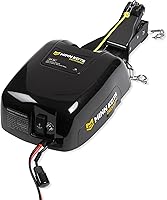
The Minn Kota Deckhand Electric Anchor Winch is designed for anchors weighing 20–40 lb and has a 40 lb capacity. It runs on a 12-volt battery, which is not included, and the anchor is not included.
Its davit can mount at the base or remotely, and the anchor stows horizontally. This is an electric winch option, not a rope bag, so it suits a different way of deploying and retrieving an anchor.
The Power-Pole Micro Anchor accommodates a 3/4 in spike, which is sold separately. Its removable unit and quick-release bracket may fit boaters who want a shallow-water anchoring setup they can transfer or store.
For more manual setups, compare our manual shallow-water anchor guide.
The Minn Kota Talon Tilt Bracket is an accessory for a Talon anchor. For repair guidance, see Minn Kota Talon cable replacement.
It requires a Talon adapter bracket and isn't intended for direct transom mounting or use during transport.
Minn Kota Talon and Power-Pole systems use different approaches to shallow-water anchoring. Compare Minn Kota Talon vs Power-Pole before deciding which system fits your boat, and see the Power-Pole Micro Anchor review for more on that option.
How do you prevent tangles during storage?
Dry the rope and bag, then repack the line in loose coils with the working end accessible. Keep the anchor from resting on the rope in a way that crushes or traps it.
Avoid storing a wet rope in a closed bag for long periods. Salt, grit, and moisture can remain in the coils, so rinse when needed and allow the rope to dry before putting the bag away.
Check the rope and its attachment points before each trip. A neat coil is useful, but it won't make worn or poorly secured line safe to use.
What is the safest way to use an anchor rope bag?
Keep the line controlled, use a secure anchor connection, and stop whenever the rope catches or becomes difficult to manage. Never stand in a coil or wrap line around your hand while the anchor is moving.
Use an anchor and rode suited to your boat and conditions, and follow their instructions. A rope bag helps organize deployment; it doesn't determine how much rope to pay out or where it is safe to anchor.
Choose a bag if you want loose line contained and easy to access. Choose a holder or reel when you need a fixed routing point or a way to wind the line back in.
Frequently asked questions
How do you load an anchor rope bag?
Attach the rope securely to the anchor, then feed the line into the bag in loose, even coils. Avoid tight loops, crossed coils, and knots.
Leave the anchor end accessible and place the working end where you can reach it without pulling the whole coil out.
Should anchor rope pay out from the top or bottom of the bag?
Most rope bags are designed for the rope to feed from the opening at the top, but check the bag's instructions. Keep the opening clear and the bag upright as you lower the anchor.
If the line catches, stop and clear it before continuing.
How do you keep anchor rope from tangling?
Coil the rope loosely in the direction it naturally falls, keep the bag upright, and let the line leave the opening without crossing over the remaining coils. Before deployment, check for knots, twists, and snags, and keep the line away from feet and moving equipment.
Can you store a wet anchor rope in its bag?
You can place a wet rope in a bag temporarily, but let the rope and bag dry fully before long-term storage. Rinse off salt or mud when appropriate, check the line for wear, and avoid sealing damp rope inside a closed container.