How to Use a Kayak Anchor Trolley
Use a kayak anchor trolley to move the anchor line between the bow and stern, then lock it where you want the kayak to face. Lower the anchor slowly, check that it holds, and release it from a safe position if conditions change.
On this page (10 sections)
- How do you use a kayak anchor trolley?
- Where should the anchor trolley sit on a kayak?
- Should you move the trolley to the bow or stern?
- How much anchor rope should you let out?
- How do you lower and secure the anchor?
- How can you release a kayak anchor safely?
- What alternatives can hold a kayak in shallow water?
- How to use a kayak anchor trolley for fishing
- What should you check before using a trolley?
- How to use a kayak anchor trolley: what should you remember?
Use a kayak anchor trolley to move the anchor line between the bow and stern, then secure it where you want the kayak to face. Lower the anchor gradually, confirm that it holds, and keep a quick release within reach in case wind or current shifts.
A trolley gives you control over the point where the anchor pulls on the kayak. It doesn't make an unsuitable anchoring spot safe, so check the water, bottom, weather, and your exit route before dropping anchor.
How do you use a kayak anchor trolley?
Clip the anchor line to the trolley, move the trolley to the bow or stern, and secure the control line before lowering the anchor. Keep the line tidy and use a controlled release you can reach from your seat.
- Check the trolley, pulleys, and attachment points for damage or loose hardware.
- Attach the anchor line to the trolley ring or clip using the system's intended connection.
- Pull the trolley line to move the attachment point toward the bow or stern.
- Secure the trolley line so the anchor point can't slide along the kayak.
- Lower the anchor slowly, feeding out line without wrapping it around your hand.
- Check that the kayak settles in the intended direction and that the anchor holds.
- Retrieve the anchor before moving, or release it using your planned method if conditions call for it.
Practice the steps in calm, shallow water before relying on the trolley in a fishing spot. Keep the paddle, personal flotation device, and release point accessible while the anchor is down.
For broader choices on anchor types and setup, see our boat anchor guide. The best kayak anchor pulley system guide explains the parts that move the attachment point.
Where should the anchor trolley sit on a kayak?
Position the trolley line along one side of the kayak, with its travel reaching toward both the bow and stern. Follow the system's installation guidance and make sure the moving line won't snag your paddle, fishing gear, or clothing.
A side-mounted trolley allows the anchor point to move forward or aft. The position you choose changes how the kayak turns in relation to wind and current.
Don't place the trolley where a loaded line can cross your lap or trap your legs. Keep the control line reachable while seated, and avoid clutter around the release.
If you're comparing complete setups, the best kayak anchor trolley system page can help you assess the trolley components and mounting approach. Pair the trolley with an anchor line that's long enough for your intended depth and anchoring conditions.
Should you move the trolley to the bow or stern?
Move the anchor point toward the end you want facing the wind or current. The bow or stern can point into the force, while anchoring from the side can pull the kayak broadside.
Wind and current may come from different directions, so watch how the kayak behaves after lowering the anchor. If it swings into an unstable angle, retrieve or release the anchor and reassess the spot.
Don't anchor where boat traffic, breaking waves, or a narrow channel leave you no room to react. A trolley changes the kayak's angle, but it doesn't prevent capsizing or drifting if the anchor fails.
A trolley is one option for holding position. Compare it with a Power-Pole Micro Anchor review if you're considering a spike-style shallow-water anchor instead.
How much anchor rope should you let out?
Let out enough line for the depth and conditions, using a ratio recommended for your anchor and local water. There isn't one rope length that fits every kayak, bottom, wind, and current combination.
See the best anchor rope and chain kit when choosing compatible ground tackle.
A longer scope can help an anchor lie and hold as intended, but extra line also needs space and careful management. Keep coils contained and feed line smoothly so it can't catch a foot, paddle, or seat hardware.
Choose rope made for marine use and compatible with your anchor connection. Our guide to the best kayak anchor rope covers rope choices, while a best kayak anchor bag can help keep loose line organized.
Avoid tying an anchor line permanently to your body or securing it somewhere you can't release from your seated position. If you can't manage the line without leaning or reaching into a tangle, reset the setup before anchoring.
How do you lower and secure the anchor?
Lower the anchor by hand in a controlled way, then secure the line and watch for movement. Don't throw the anchor or drop it with a loose coil that can wrap around you.
Once the anchor reaches bottom, take up slack gradually until you feel resistance. Give the kayak time to settle, then check whether it stays in position and faces the direction you intended.
If the anchor drags, don't compensate by adding uncontrolled line or leaning over the side. Retrieve it and try a more suitable spot or anchor setup.
For anchor options, compare the best anchors for fishing kayaks.
Can an electric winch help with anchor handling?
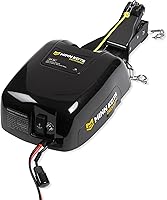
An electric winch can raise and lower an anchor at the touch of a button, but it's designed for a boat installation rather than a basic kayak trolley setup. The Minn Kota Deckhand Electric Anchor Winch supports anchors from 20 to 40 lb and comes with 100 ft of nylon rope.
The unit runs on a 12 V battery, which isn't included. Check the mounting arrangement and anchor weight before considering it for your vessel.
How can you release a kayak anchor safely?
Keep a quick release accessible and let go of the anchor line if holding position becomes unsafe. Don't wait for a line to load heavily before deciding how you'll release it.
Plan the release before you deploy. Know which part of the trolley or line you will operate, and keep the control clear of fishing tackle and clothing.
Never wrap line around your hand, wrist, or body. If the anchor snags, avoid leaning far over the side or pulling hard against a loaded line; those moves can destabilize the kayak.
If current or wind is building, prioritize getting free over saving the anchor. Follow local boating rules and use the safety gear appropriate to your water.
What alternatives can hold a kayak in shallow water?
A shallow-water spike anchor can hold a kayak without using a traditional bottom anchor and trolley. It fits calm, shallow areas where the spike can reach suitable bottom and the system is compatible with the kayak.
The Power-Pole Micro Anchor uses a spike driver and accepts a 3/4 in spike, sold separately. It includes a quick-release bracket and a 15 ft power cord for a 12 V battery; a separate battery pack is available if the kayak has no onboard battery.
The Minn Kota Talon Tilt Bracket is an accessory for a Talon anchor, not a kayak trolley. It allows temporary forward tilt for clearance and requires a Talon adapter bracket.
Compare Minn Kota Talon vs Power-Pole if choosing between powered shallow-water anchors. You can also review manual shallow-water anchors for non-powered options.
How to use a kayak anchor trolley for fishing
Set the trolley so the kayak faces the direction that gives you a stable casting position. Check that the anchor line stays away from your rod tips, hooks, and paddle strokes.
Make small adjustments by easing the trolley line and securing it again. If changing position requires reaching overboard or crossing a loaded line, retrieve the anchor first.
A trolley helps you change the kayak's orientation without moving the anchor itself. It doesn't replace a stakeout pole or a separate shallow-water anchor where those tools suit the bottom better.
What should you check before using a trolley?
Inspect the line, pulleys, fasteners, anchor connection, and release before each trip. Replace worn line or loose parts before they fail under load.
Also check the conditions and your own ability to recover if the anchor drags. Avoid anchoring in a channel or near hazards where a delay could put you in the path of other boats.
Practice retrieving and releasing the anchor in calm conditions. The right setup is one you can operate while seated, without tangles and without putting your balance at risk.
How to use a kayak anchor trolley: what should you remember?
To use a kayak anchor trolley, move the attachment point to the bow or stern, secure it, lower the anchor slowly, and keep a release within reach. Choose a position that keeps the kayak aligned with wind or current, and retrieve or release the anchor when conditions change.
Choose a trolley when you want to shift the anchor point along the kayak. Consider a spike-style option for suitable shallow water, and compare the best kayak anchor trolley system with the best kayak anchor rope and best kayak anchor bag for the rest of the setup.
Frequently asked questions
How does a kayak anchor trolley work?
A trolley uses a loop of line and pulleys along the kayak's side to move the anchor attachment point between the bow and stern. Set the loop where you want the kayak to face, secure the line, and lower the anchor through that point.
Check that the trolley and anchor are suited to your kayak.
Should a kayak anchor trolley be at the bow or stern?
The trolley lets you choose either end. Moving the anchor point toward the bow or stern changes the kayak's angle to wind and current, so position it for the conditions and your intended presentation.
Avoid anchoring broadside to strong current, waves, or wind.
How do you release a kayak anchor?
Release the trolley line and retrieve the anchor line in a controlled way, keeping your hands clear of loops and moving parts. If the anchor is snagged or conditions are worsening, don't lean overboard or cut a loaded line by hand.
Carry a planned way to let go safely.
Can you use a kayak anchor trolley in current?
Yes, but only in conditions where you can keep the kayak stable and release the anchor promptly. Face the bow or stern toward the flow, avoid a broadside position, and use an anchor appropriate for the bottom.
Skip anchoring if current, waves, or wind exceed your skill or gear.