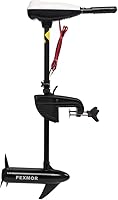
How to Use a Minn Kota Terrova
To use a Minn Kota Terrova, deploy it fully, set the shaft depth so the prop runs below the surface, and steer with the foot pedal or remote while controlling speed with the dial. Use GPS modes for straight lines and spot locks, then stow it flat and secure the motor before you trailer.
On this page (11 sections)
- How do you deploy a Minn Kota Terrova for the first time?
- What depth should you set on a Terrova shaft?
- How do you steer with the foot pedal?
- How do you use the Terrova remote without the pedal?
- What do the main GPS modes do on a Terrova?
- How do you stow a Terrova and lock it for travel?
- When does a deck reinforcement kit matter?
- Which quick release bracket suits a Terrova best?
- What mistakes make Terrova operation harder?
- How do you care for a Terrova after each trip?
- What is the simple routine for minn kota terrova how to use it daily?
To use a Minn Kota Terrova, deploy it fully, set the depth so the prop stays submerged, and steer with the foot pedal while you set speed with the dial. That basic loop covers most fishing days, and GPS modes handle the rest.
This guide covers deployment, depth, pedal control, remote use, GPS, and stowing. You will also see mounting parts that help if you remove the motor often.
If you are still shopping, our trolling motor buying guide compares the choices before you commit.
How do you deploy a Minn Kota Terrova for the first time?
Deploy it in open water with the prop off and the bracket clear of lines and gear. Press the deploy control and let the motor lower until it locks down.
Check that the latch feels seated before you power the prop. A motor that is almost down can swing under load, so confirm it is fully locked.
Keep hands away from the prop and pivot point. If anything sticks, stop instead of forcing it.
If your model has self deploy, follow the manual for that exact sequence, as steps differ by year. Our note on minn kota terrova self deploy explains what that option does and does not do.
What depth should you set on a Terrova shaft?
Set depth so the prop runs about 12 to 18 inches below the surface in calm water. That keeps the lower unit quiet without dragging bottom or weeds.
Look at the waterline from the bow as you idle. If the prop breaks the surface in chop, lower the shaft a few inches and test again.
Press the depth button or move the collar in small steps. A few inches can change noise, thrust, and bottom contact.
In shallow water, raise the motor until the prop just clears the bottom. In waves, go slightly deeper than in flat water.
Cavitation wastes power and makes steering feel vague, and extra depth usually fixes both.
How do you steer with the foot pedal?
Steer smoothly with the foot pedal and set power with the speed dial, not with constant pedal taps. Point the pedal where you want to go, then add just enough speed to hold position or troll.
Use short, steady pressure. Big stomps swing the transom and make the bow hunt, especially in wind.
Keep the cord routed so it does not tangle with rods or cooler lids. If the pedal feels loose, check the plug and cord first, as dirt or a pinched cord causes more trouble than most electronic faults.
For a deeper look at top options, see minn kota terrova trolling motor reviews.
How do you use the Terrova remote without the pedal?
Pair the remote, learn the buttons on land, and keep the pedal as a backup. It lets you steer and adjust speed from the stern or while you net a fish.
Practice turns and speed changes tied up or in open water before you need them by a dock.
Check battery often. A dead remote leaves you steering by hand, which is hard in wind.
If its battery is failing, see Terrova remote battery replacement.
Our walkthrough at how to use minn kota terrova remote covers pairing and speed steps. Keep the remote on a lanyard.
What do the main GPS modes do on a Terrova?
Use GPS to hold a line, hold a spot, or follow a depth contour, and use manual steering for quick turns. It works best with a clear job and steady wind.
Spot lock holds the boat over a spot while you cast. It fights wind and current with small thrust bursts, not a frozen position.
Record a track or set a course for trolling a flat or channel edge. Watch the motor near docks, buoys, and shallow bars.
Manual mode still wins around cover. GPS can lag on a hard turn, and that second matters near timber.
For the full picture, see minn kota terrova advanced gps.
How do you set a course or spot lock safely?
Start GPS modes in open water, away from hazards, with the boat moving straight. A mode started while drifting can point the bow the wrong way.
Give spot lock a few seconds to learn wind and current. You will see small thrust bursts at first, then steadier corrections.
Do not set a course through a narrow gap unless you can see the whole line. GPS follows the line you gave it, even if depth or traffic changes.
How do you stow a Terrova and lock it for travel?
Stow it flat, lock the bracket, and secure the shaft so it cannot bounce loose on the road. A loose motor can shift bow weight and wear the mount.
Raise the prop clear of the deck, lay the shaft in the cradle, and engage the lock. Tug gently to confirm it stays put before you leave the ramp.
Check the pedal cord and remote so they do not get pinched under the bracket. If you remove the motor often, a quick release mount saves time and protects the deck.
This bracket is for standard or scissor bow mounts and is not for shafts 72 inches or longer or 112 lb thrust motors. Drilling is required, and the outer plate mounts to the motor while the inner plate mounts to the deck.
Use a locking pin and a padlock through the hole if theft is a concern at the ramp. The composite build resists rust and corrosion in salt water and fresh water.
When does a deck reinforcement kit matter?
A reinforcement plate matters when torque, weight, or a thin deck makes the mount flex or loosen. High thrust motors pull hard on a small area, and that load can spread through the deck if the mount is stiff enough.
The kit below is sized 15.0 x 9.6 x 0.5 inches and is made of anodized aluminum with stainless steel hardware. It fits Terrova Quest and related Quest series motors, and it can mount directly or work with a quick release bracket.
Multiple hole patterns help it fit different deck layouts. The kit includes screws, backup bars, lock nuts, anti seize lubricant, and a manual.
Choose this approach if your deck feels springy under the mount or if you plan to use a quick release with a high thrust motor. Skip it if your mount already sits on a solid, flat bulkhead with no flex.
Check deck thickness and drill locations before you start. A plate only helps if it lands on solid structure, not on a thin cosmetic panel.
Which quick release bracket suits a Terrova best?
Pick a quick release for removal ease, material, and whether the motor stays on during travel. The two quick release options here solve the same job with different builds.
The aluminum bracket below has a cam lock design and a composite cover for the lower plate. It fits Ulterra, Terrova, PowerDrive, PowerDrive V2, PowerDrive Pontoon and DeckHand 40 motors.
It includes stainless steel hardware, a locking lever with a lanyard and locking pin, and a composite cover. The cover attaches to the lower half when the motor is removed and keeps the deck profile low.
Choose the aluminum bracket for a metal build and cover in one kit. Choose the composite bracket above for a lighter plate and locking U handle.
Both need drilling and careful alignment. Slide the motor onto the deck plate, secure the lever or pin, and tug to confirm it is seated.
If you run a newer Quest model, compare the minn kota terrova quest review before you pick a mount.
What mistakes make Terrova operation harder?
Most problems come from depth, power, and GPS settings that fight the water. Fix those three and the motor feels smaller and calmer.
Running too shallow causes noise and vibration. Running too deep causes bottom strikes and wasted thrust, and both make steering feel vague.
Using full speed to hold position wastes battery and spooks fish. Small speed changes and a better heading usually hold the boat with less power.
Setting GPS while drifting can send the bow off course. Ignoring the mount also matters, as a loose bracket creates noise and makes every control feel sloppy.
How do you care for a Terrova after each trip?
Rinse the motor, check the prop and mount, and charge the battery after every outing. Fresh water rinses salt and silt, and a quick check catches damage early.
Spin the prop by hand with power off and look for line, weeds, or nicks. Clear debris now, because wrapped line can damage the seal on the next trip.
Wipe the shaft and brackets, then check the locking pin and bolts for loosening. Store the motor stowed and level, with the cord free of kinks and the remote paired and charged.
If you plan to add GPS features later, check the minn kota terrova advanced gps upgrade kit to see if your model can take it.
What is the simple routine for minn kota terrova how to use it daily?
Deploy, set depth, steer with light pedal pressure, use GPS for lines and spots, then stow and lock it flat. That routine covers most days without advanced settings.
Start each trip with the mount check and a depth test in open water. Add GPS only after manual steering feels steady.
Keep the pedal, remote, and speed dial as your main controls. Reach for GPS for a straight line or held spot, not as a replacement for watching the water.
Choose a quick release or reinforcement plate only if your deck and travel habits call for it. Pick one new feature at a time and practice it in open water.
Frequently asked questions
How do you deploy a Minn Kota Terrova?
Press the deploy button or lever, lower the motor slowly until it locks in the down position, and confirm the shaft is secure before powering the prop. Never force the bracket, and keep hands clear of the pivot and prop while it moves.
How deep should a Terrova run?
Set the shaft so the prop and lower unit stay about 12 to 18 inches below the surface in calm water, deeper in chop. The motor should not break the surface, cavitate, or hit bottom, so adjust after you launch and check again in waves.
Can you steer a Terrova without the foot pedal?
Yes, you can use the remote or a compatible phone app on many models, and GPS can hold heading in some modes. The foot pedal still gives the fastest hands free steering at the bow, so most anglers keep it plugged in and within reach.