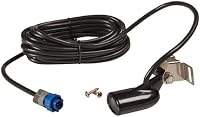
In-Hull vs Through-Hull Transducers: Which to Choose? (October 2026)
Choose an in-hull transducer for a compatible single-layer fiberglass hull and a through-hull model when its installation suits your boat. Check the exact mounting method, hull material and fish finder compatibility before choosing.
On this page (7 sections)
- In-hull vs through-hull: what is the main difference?
- Which hull materials suit an in-hull transducer?
- Which mounting style fits your boat?
- Does mounting style change sonar performance?
- How do you choose between the four options?
- What should you check before installation?
- Which transducer should you choose?
Choose an in-hull transducer when your hull is compatible and you want an inside installation; choose a through-hull option when its installation method, hull fit and sonar features match your boat. In the in hull vs through hull transducer choice, hull construction and the display you own matter as much as the mounting name.
“In-hull” and “shoot-through-hull” refer to mounting a transducer inside the boat, where sonar passes through the hull. “Through-hull” can describe a transducer installed through the hull, but product names and mounting labels vary, so verify the exact instructions rather than relying on the label alone.
If you’re still sorting out the basic parts, start with what a fish finder transducer does. The right choice depends on hull compatibility, installation preferences, sonar views and your display’s connections.
| Product | Best for | Mounting | Sonar | Connector | Our score |
|---|---|---|---|---|---|
| Lowrance 000-14886-001 9-Pin Shoot-Thru Hull M/H Chirp | Lowrance and Simrad 2D sonar | Shoot-through hull or trolling motor | 83/200 kHz Medium/High CHIRP | 9-pin | 9.7 |
| Lowrance 000-14489-001 Active Imaging 3-In-1 Transducer | structure imaging | Transom, flush step or jackplate | CHIRP, SideScan and DownScan | 9.7 | |
| Lowrance SplitShot Skimmer Transducer | flexible mounting | Transom, inside hull, trolling motor or scupper hole | DownScan and CHIRP | 9.6 | |
| HUMMINBIRD XP-9-HW IN-HULL TRANSDUCER | single-layer fiberglass | Inside single-layer fiberglass hull | Dual Spectrum CHIRP 2D, 150–220 kHz | 8.1 |
In-hull vs through-hull: what is the main difference?
An in-hull transducer sits inside the boat and sends sonar through a compatible hull; a through-hull installation places the transducer through the hull. The physical installation changes what you need to check before fitting it.
An inside-hull installation can avoid placing the transducer itself outside the hull, but it still needs a suitable mounting area and the correct installation method. The Humminbird XP-9-HW, for example, is specified for single-layer fiberglass and uses epoxy.
A through-hull installation needs a location and hull fit that work for the boat. Before choosing one, check the transducer’s mounting instructions and make sure you understand what installation involves.
Is a shoot-through-hull transducer in-hull?
Yes, a shoot-through-hull transducer mounts inside and sends sonar through the hull. The Lowrance 9-Pin Shoot-Thru Hull M/H Chirp includes shoot-through-hull mounting as an option.
It also lists trolling-motor mounting, so match the installation to your intended setup. Its 9-pin connector and compatible display list are separate checks from hull fit.
Which hull materials suit an in-hull transducer?
Use an in-hull model only when its hull requirements match your boat. Do not assume every transducer can send sonar through every hull material or construction.
The Humminbird XP-9-HW is specified for single-layer fiberglass hulls. That makes hull construction a deciding factor, not a minor detail.
If you have a different hull type or don’t know how it is built, confirm compatibility with the boat or transducer maker before installation. A transducer that is incompatible with the hull can’t be made suitable just by choosing a different spot.
Which mounting style fits your boat?
Choose the installation method that fits your hull and the places you can mount the transducer. The four models here offer different options, so compare their mounting descriptions before you narrow the choice.
The Lowrance shoot-through model can mount inside the hull or on a trolling motor. The Humminbird XP-9-HW is an in-hull model for single-layer fiberglass and uses epoxy.
The Lowrance SplitShot has more listed options: transom, inside the hull, trolling motor or scupper hole. Its flexibility may help if one mounting location doesn’t suit your boat, but it still needs a compatible HOOK² display.
For a through-hull installation, check the exact model’s installation instructions and hull fit. If you’re comparing options for that setup, see our guide to the best through-hull transducer.
Does mounting style change sonar performance?
Don’t choose by mounting style alone; match the sonar views and frequencies to what you want to see. A 2D-only transducer and an imaging model serve different needs, even if both connect to a fish finder.
The Humminbird XP-9-HW provides Dual Spectrum CHIRP 2D sonar in the 150–220 kHz range. It can serve as a 2D sonar source on a Side Imaging or Down Imaging unit, but it does not provide those imaging views itself.
The Lowrance Active Imaging 3-In-1 lists CHIRP, SideScan and DownScan, with 83/200 kHz and 455/800 kHz frequencies. Its mounting options are transom, flush step or jackplate, so it is not an in-hull option among the models here.
The Lowrance 9-Pin Shoot-Thru Hull M/H Chirp lists 83/200 kHz Medium/High CHIRP. It is a better match when you want those sonar frequencies and a compatible display, rather than SideScan or DownScan.
How do you choose between the four options?
Start with your hull and display, then choose the sonar views you need. These checks help narrow the options without assuming that one mounting style suits every boat.
Choose the Humminbird for compatible fiberglass
The XP-9-HW is the in-hull choice here for a single-layer fiberglass hull and 2D sonar. It has a 15 ft cable and does not include temperature.
Its compatibility list covers a range of GPS-equipped HELIX G2, G3 and G4 models. Confirm your exact unit before buying, especially if you plan to use it with an imaging-capable fish finder.
Choose the Lowrance pod for 2D CHIRP and a compatible display
The 9-Pin Shoot-Thru Hull M/H Chirp offers 83/200 kHz Medium/High CHIRP and a shoot-through-hull mounting option. It has no temperature feature.
Check the 9-pin fit and the device compatibility list. It names several Lowrance HDS, Elite and HOOK2 models, along with Simrad NSS Evo3S, NSS Evo3, GO and SonarHub devices.
Choose SplitShot for flexible mounting and two sonar views
SplitShot provides DownScan and CHIRP, and it lists transom, inside-hull, trolling-motor and scupper-hole mounting options. It also has a built-in temperature sensor.
It fits Lowrance HOOK² 5, 7, 9 and 12 in fish finder models. If you need SideScan, choose a model that lists it instead.
Choose Active Imaging for SideScan and DownScan
The Active Imaging 3-In-1 combines CHIRP, SideScan and DownScan. Its listed mounting options are transom, flush step and jackplate.
It is compatible with listed Lowrance HDS LIVE and Elite FS displays and Simrad NSS evo3s and GO series displays. Check that your display is included before choosing this option.
What should you check before installation?
Confirm hull compatibility, display compatibility and the installation instructions before fitting a transducer. Those details can rule out a model before you spend time on the installation.
First, identify the hull material and construction. The XP-9-HW’s single-layer fiberglass requirement is specific, so don’t treat it as a match for an unknown hull.
Next, confirm the exact fish finder model and connector. A 9-pin transducer needs a compatible connection, and the Lowrance models each list particular display families.
Finally, check the mounting method and location. An inside-hull installation may require epoxy, while another model may be designed for a transom, jackplate or trolling motor.
Follow the instructions for the exact model and boat.
Which transducer should you choose?
Pick an in-hull model when your hull meets its requirements and its sonar features suit your fishing; choose a through-hull or external-mount model when that installation better fits your boat. Verify hull and display compatibility before deciding.
For single-layer fiberglass and 2D sonar, consider the Humminbird XP-9-HW. For a compatible 9-pin display and 83/200 kHz CHIRP, consider the Lowrance shoot-through pod.
If you need multiple mounting options with DownScan and CHIRP, compare SplitShot. If SideScan and DownScan are priorities and an external mount fits, compare Active Imaging with the best shoot-through-hull transducers and other best fish finder transducers.
Frequently asked questions
Is an in-hull transducer the same as a shoot-through-hull transducer?
Both terms describe a transducer mounted inside the hull that sends sonar through the hull material. Check the exact model's instructions and hull requirements, since installation details vary.
The Humminbird XP-9-HW, for example, is specified for single-layer fiberglass and uses epoxy.
Can an in-hull transducer work through any boat hull?
No. Hull material and construction matter.
The Humminbird XP-9-HW is specified for single-layer fiberglass, so don't assume it suits a cored, metal or multi-layer hull.
Confirm the transducer's instructions and your boat's construction before choosing an inside-hull installation.
Does through-hull mounting always give better sonar?
Mounting style alone doesn't tell you which transducer will perform better on your boat. Choose by the sonar views you need, the hull and installation fit, and display compatibility.
A model with SideScan or DownScan features may suit a different job than a 2D-only in-hull model.
Can I use an in-hull transducer for SideScan?
Check the exact transducer's supported sonar views. The Humminbird XP-9-HW provides 2D sonar only, even when paired with a unit that supports Side Imaging or Down Imaging.
The Lowrance Active Imaging 3-In-1 lists CHIRP, SideScan and DownScan, with transom, flush-step and jackplate mounting.
What should I check before installing a transducer?
Confirm hull material, the mounting instructions, cable routing and display compatibility before installation. Also decide which sonar views you need and whether the chosen location fits your boat.
If the hull construction is unclear, ask the boat or transducer manufacturer before bonding or drilling.