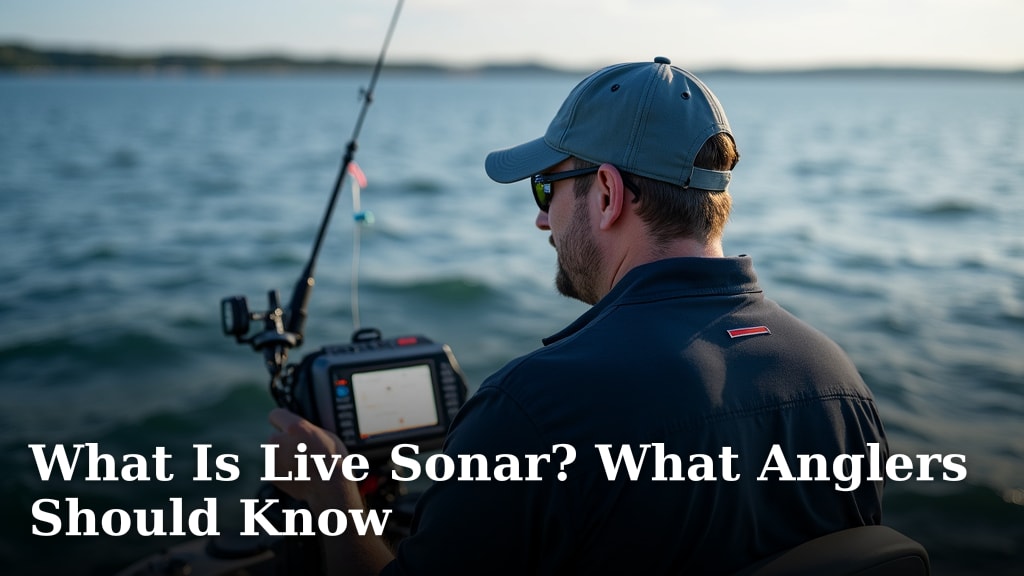
How Does PingLive Sonar Work?
PingLive sonar uses a wireless setup to send live sonar data from an underwater transducer to a compatible display or mobile device. You need the sonar unit, a transducer, power, a supported screen or app, and a stable mounting position.
On this page (9 sections)
- What is PingLive sonar?
- How does a wireless live-sonar system send data?
- What equipment does PingLive sonar require?
- Does PingLive sonar work with every fish finder?
- Can a phone display live sonar data?
- How should you mount a PingLive sonar transducer?
- How do sonar settings affect the live image?
- How is PingLive different from forward-facing sonar?
- What should you choose for your setup?
PingLive sonar uses a wireless sonar connection to move information from an underwater transducer to a compatible screen or mobile device. The transducer sends sound into the water, receives returning echoes, and passes that information to software that shows fish, depth, bottom shape, and structure.
The word wireless describes the connection between parts, not the sonar signal traveling through the water. Sound still moves through the water from the transducer and returns as an echo.
What is PingLive sonar?
PingLive sonar is a live-view fish-finding setup built around a transducer and a wireless display connection. Instead of waiting until a scan is complete, the system updates the screen as the transducer receives new echoes.
The transducer is the part that sits in or near the water. It sends pulses, listens for the returning signals, and turns those returns into data.
The display or mobile device receives that data and converts it into images. Depending on the system, you may see fish targets, depth, bottom contours, vegetation, or structure.
For a broader explanation of the category, read What Is Live Sonar? What Anglers Should Know.
Live sonar systems vary, so the exact views and controls depend on the hardware and software you use.
How does a wireless live-sonar system send data?
The transducer gathers echoes, a processing unit interprets them, and a wireless connection sends the results to the screen. The screen then refreshes the image as new sonar returns arrive.
The basic signal path looks like this:
- The transducer sends a sonar pulse.
- The pulse reflects from fish, the bottom, or underwater objects.
- The transducer receives the returning echo.
- The sonar unit processes the timing and strength of that echo.
- The display or app presents the result as a live image.
Wireless communication removes the need for a direct data cable between the transducer and the viewing device. You still need power, a compatible system, and a mounting position that keeps the transducer working correctly.
Wireless does not mean the system can ignore distance, obstructions, or compatibility. A weak connection, blocked signal path, or mismatched component can interrupt the display.
What equipment does PingLive sonar require?
A usable PingLive sonar setup needs a compatible transducer, a power source, a display or mobile device, and a mount or placement method. Some systems combine several of these parts, while others require separate components.
The transducer must be positioned so it can send and receive through the water. Boats may use a transom, hull, trolling motor, or another approved mounting location.
Shore and kayak systems may use a portable or castable design instead.
The display needs to understand the transducer's data. A fish finder made for one sonar family may not work with a transducer from another brand or product line.
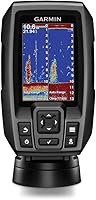
The Garmin 010-01550-00 Striker 4 with Transducer includes a fishfinder, power/data cable, tilt/swivel mount, transducer, transom and motor mounts, and documentation. Its 3.5-inch display uses a keyed interface with dedicated buttons, and the unit has a built-in flasher for ice fishing or vertical jigging.
This Garmin uses CHIRP sonar and ClearVu scanning sonar, so it is useful for anglers comparing sonar types and learning how a dedicated display handles processed returns. Its maximum measuring depth is 1,600 feet in freshwater and 750 feet in saltwater.
It is not a substitute for a live-sonar system simply because it displays sonar data. CHIRP and live sonar describe different parts of the sonar experience.
Does PingLive sonar work with every fish finder?
No. The transducer and display must be designed to work together.
Check the model family, connectors, supported sonar views, power needs, and mounting method before combining parts.
The Lowrance SplitShot Skimmer Transducer fits Lowrance HOOK² 5, 7, 9, and 12 inch fish finder models. It provides DownScan sonar and CHIRP sonar views, includes a built-in temperature sensor, and can be mounted on the transom, inside the hull, on a trolling motor, or through a scupper hole.
Its wider sonar cone is designed to cover more area than traditional fish finders, but that does not make it a universal live-sonar transducer. Confirm that your HOOK² model supports this component before ordering.
For a related system comparison, see Lowrance ActiveTarget 2 bundle. A bundle may include the display and live-sonar parts together, while a transducer-only option requires more equipment.
Can a phone display live sonar data?
Yes, some portable systems send sonar data to a phone through their own wireless connection and app. The phone still needs the compatible app, and the sonar unit needs power.
The Deeper Start Fish Finder is a portable castable sonar that generates its own Wi-Fi connection. It pairs with the Fish Deeper app on iOS and Android devices, and the app can show fish location and size, depth, bottom contour, and vegetation.
The Deeper Start casts up to 165 feet and measures down to 165 feet with a 40° sonar beam. It has a night fishing mode, reaches full charge in 2.5 hours, and provides 6 hours of battery life.
This setup suits anglers who need portability and do not want external wires during a shore or kayak trip. It is different from a dedicated boat display because the phone provides the viewing screen.
How should you mount a PingLive sonar transducer?
Mount the transducer where it has a clear path into the water and remains stable while you fish. Follow the system's mounting instructions and keep the sensing face clear of air bubbles, heavy turbulence, and obstructions.
A transom mount can suit many boats, while a trolling-motor mount may keep the transducer closer to the direction you want to scan. An inside-hull mount can be useful on some boats, but the hull material and installation instructions determine whether it will work.
Keep cables and power connections dry where the system requires them to stay protected. A loose mount can change the sonar view as the boat moves.
Before fishing, check that the display recognizes the transducer and that the image updates when the boat or transducer changes position. If the screen shows empty water, confirm power, connection, mounting, and depth range before assuming the sonar has failed.
How do sonar settings affect the live image?
Sensitivity controls how strongly the display shows returning sonar signals. Higher sensitivity can reveal weaker returns, but it can also make the screen look crowded with noise.
Start with a moderate setting and adjust it while watching the bottom and known structure. Use the system's depth range and view controls to keep the important part of the water column visible.
Read What Is Sonar Sensitivity on a Fish Finder? for the basic control, then see How Do You Adjust Sensitivity on a Sonar? for a practical adjustment process.
Do not treat every mark as a fish. A live image still needs interpretation, and bubbles, vegetation, bottom changes, and interference can create returns that look different from fish.
How is PingLive different from forward-facing sonar?
PingLive describes the live wireless flow of sonar information, while forward-facing sonar describes a viewing direction and scanning use. A forward-facing system points the transducer ahead of the boat or craft so you can watch an area in front of you.
The terms can overlap, but they are not interchangeable. A wireless system may show sonar data without offering the same forward-facing view, and a forward-facing system still needs compatible hardware, power, and a display.
For the basic concept, read What Is Forward Facing Sonar? A Quick Answer.
If you are comparing branded live-imaging systems, humminbird mega live vs mega live 2 covers another equipment choice.
What should you choose for your setup?
Choose the Garmin Striker 4 if you want a dedicated fish finder with a transducer, CHIRP, ClearVu scanning sonar, waypoint mapping, and a keyed 3.5-inch display.
Choose the Lowrance SplitShot Skimmer if you already have a compatible Lowrance HOOK² fish finder and need a transducer with DownScan and CHIRP views.
Choose the Deeper Start if you fish from shore, a dock, a bank, or a kayak and want a portable castable sonar that connects to a compatible mobile device through its own Wi-Fi.
PingLive sonar works best when every part matches: transducer, display, app, power, mounting, and software. Check those connections first, then adjust sensitivity and the viewing range to suit the water in front of you.
Frequently asked questions
Does PingLive sonar need a phone?
PingLive sonar may use a wireless display or mobile device, depending on the system. Check that the transducer and display or app are designed to work together before buying.
A phone-based system needs a compatible app and a reliable wireless connection, while a dedicated fish finder uses its own screen.
What equipment is needed for PingLive sonar?
A PingLive sonar setup needs an underwater transducer, a compatible display or mobile device, power, mounting hardware, and the correct cables or wireless connection. The transducer must sit in the water with a clear view, and the display must support the sonar system you choose.
Is PingLive sonar the same as CHIRP sonar?
No. PingLive sonar describes live sonar data sent to a display as conditions change, while CHIRP describes a sonar transmission method that sweeps through frequencies.
A fish finder can use CHIRP for clearer fish arches without being a live forward-facing sonar system.
Can you use any transducer with PingLive sonar?
No. Transducers are not universal.
The transducer, display, connectors, software, and mounting method must match.
For example, the Lowrance SplitShot Skimmer Transducer fits specific Lowrance HOOK² fish finder models, so confirm compatibility before installation.