
When Were Fish Finders Invented? What to Know
The History of Fish Finders: From Sonar to Smart Tech
Fish finders were first invented in the 1920s, but they became available to everyday anglers in the 1950s. The technology grew out of military sonar used during World War II. Today, these devices use advanced sonar to map the water beneath your boat.
Early Beginnings: Military Sonar Goes Commercial
The story starts with the development of **sonar** (Sound Navigation and Ranging) in the early 20th century. This technology was originally designed for detecting submarines. After the war, companies saw a new market: finding fish.
- 1920s-1940s: Primitive echo sounders were used by researchers and naval ships.
- 1948: The first fish finder for commercial fishing was introduced.
- 1956: The first unit marketed to recreational anglers hit the shelves.
The initial devices were large, expensive, and complicated. They were mostly for commercial fleets and serious sport fishermen. You wouldn’t find one on a small bass boat yet.
How Early Fish Finders Actually Worked
These early machines used a single sonar cone. They sent a sound wave down and listened for the echo. A fish would bounce back a signal. The device drew a simple line or blip on paper or a small screen.
It was a start, but it had limits. You knew something was there, but you didn’t know its size, shape, or the bottom structure. It was like listening for a heartbeat in a dark room—you knew it was there, but not exactly where.
The Key Invention: The Flasher
The real game-changer for anglers came in the 1960s. This was the **flasher** style fish finder. It used a rotating dial with colored lights. Different colors showed different signal strengths. A bright line meant a hard bottom. A moving blip was a fish.
Many old-timers swear by these simple, reliable units. They offered real-time feedback. You could see your lure moving and fish reacting to it on the screen instantly.
The Evolution of Sonar Technology
Fish finders didn’t stay simple for long. The leap from flashers to modern imaging happened in the 1980s and 1990s. This is when they became the versatile tools we know today.
From Black-and-White to Color and Detail
The shift to **digital processing** was huge. It allowed for clearer pictures and more detail. Instead of a blip, you started to see an actual arch shape for a fish. This arch represents the fish swimming through the sonar cone.
- LCD Screens: Replaced paper and dials, allowing for scrolling history.
- Dual-Beam Sonar: Used two cones to cover more water and separate targets.
- GPS Integration: In the 2000s, combining sonar with GPS created a revolution.
Now you could not only see a fish but also mark its exact location on a map. You could save a spot and go right back to it next season. This was a massive leap in efficiency.
The Modern Types of Sonar You’ll Find
Today, you have several sonar technologies to choose from. Each serves a different purpose. Understanding them helps you pick the right one for your fishing style.
| Sonar Type | How It Works | Best For |
|---|---|---|
| CHIRP | Sends a continuous range of frequencies, not just one. Creates sharper, more detailed images. | General fishing, seeing fish near structure. |
| Down Imaging | Sends a wide, thin sonar beam straight down. Creates a photo-like view of what’s under the boat. | Scanning for cover, brush piles, and bottom composition. |
| Side Imaging | Sends beams to both sides of the boat. Scans huge areas quickly to find structure and fish. | Searching large, unfamiliar bodies of water. |
| Live Sonar | Transmits sonar in real-time. Shows fish moving and your lure’s position as it happens. | Sight fishing, vertical jigging, watching fish react. |
We found that many weekend anglers do great with a quality CHIRP sonar. If you fish deep structure or love to cover water, Down or Side Imaging is a huge advantage.
Key Milestones in Fish Finder History
The journey from a simple echo sounder to today’s technology had several important steps. These breakthroughs changed how people fish forever.
The GPS and Mapping Revolution
Combining sonar with **GPS** was the single biggest advancement. It turned a fish finder into a navigation and mapping tool. Now your device could create a map of the bottom depth as you drove around.
You could see contour lines, mark waypoints, and track your path. This meant you could systematically break down a lake. You could find deep channels, humps, and drop-offs with precision.
The Introduction of Imaging Sonar
In the late 2000s, companies introduced Down and Side Imaging. This was a quantum leap in detail. For the first time, anglers could see the actual shape of submerged trees, rock piles, and grass beds.
It was like going from a blurry photograph to a clear HD video. You could identify the exact type of cover. This made finding fish-holding structure much easier, especially for new anglers.
The Live Sonar Era: 2020s and Beyond
The most recent revolution is **live sonar**. Technologies like LiveScope, LiveScope, and LiveSight let you watch fish in real time. You can see them approach your lure and decide if they’re interested.
Many experts say this has changed competitive fishing more than any other tech. It requires skill to use effectively, but it’s incredibly powerful. The prices are high now, but costs will likely come down as the tech matures.
What This Means for You as an Angler
Understanding the history helps you make smarter buying decisions. The technology in your hands is the result of 100 years of innovation. You don’t need the most expensive unit to catch fish, but the right tools can make it easier and more fun.
Choosing the Right Fish Finder Today
With so many options, where do you start? Focus on your primary fishing style. A simple, reliable unit is perfect for casual weekend trips. A tech-loaded system is for the dedicated angler who wants every advantage.
Key Features to Consider
- Screen Size: Larger screens are easier to read but cost more.
- Sonar Type: Start with CHIRP. Add imaging if you fish structure heavily.
- Mapping: Does it come with preloaded maps? Can you add better ones?
- Power: Measured in watts. More power means better deep-water performance.
The most important feature is actually the one you’ll use. Don’t buy a complex system if you just need basic depth and fish arches.
Getting the Most from Your Device
A fish finder is a tool, not a magic box. Learning to interpret the screen takes time. Spend hours watching it in different conditions. See how a standing tree looks versus a rock pile.
Practice adjusting the sensitivity and zoom. The best anglers combine what they see on the screen with their knowledge of the water, weather, and season. The device confirms what you suspect; it doesn’t replace on-the-water learning.
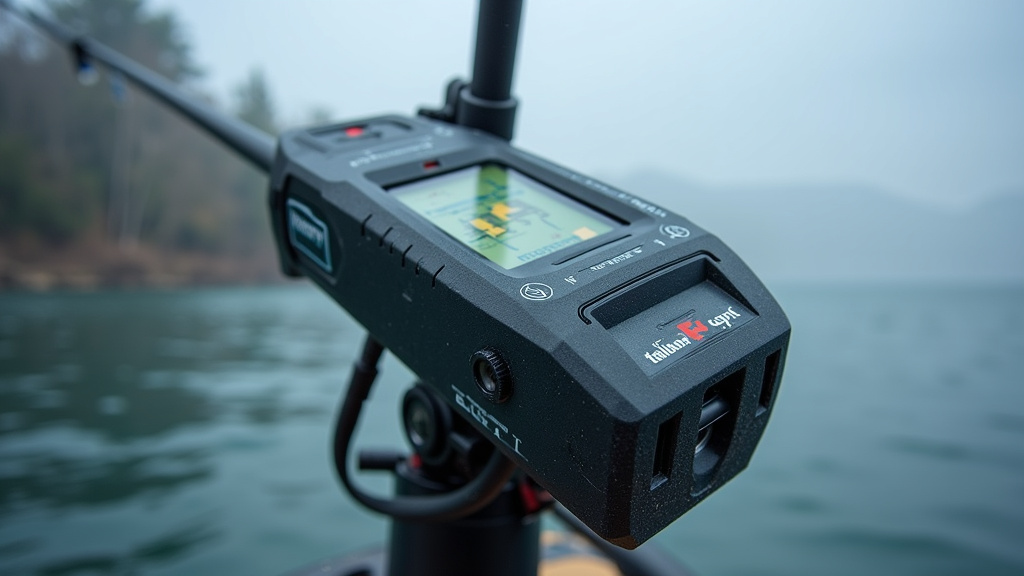
Your Quick Checklist for Buying a Fish Finder
Ready to shop? Keep this simple checklist in mind. It will help you match a unit to your needs without overspending.
- Assess Your Fishing Style: Do you fish open water, deep structure, or shallow weeds?
- Set a Realistic Budget: Include costs for a transducer mount and installation.
- Prioritize Screen Readability: Go to a store and look at screens in person if you can.
- Check Compatibility: Ensure it works with your boat and other electronics.
- Read the Manuals: Seriously. Most advanced features go unused because people skip this step.
- Plan for the Future: Consider a system you can expand with extra screens or transducers later.
Remember, a fish finder from even five years ago is still a capable tool. You don’t always need the absolute latest model. The key is finding a clear, reliable unit that fits how you fish.
Conclusion
The history of fish finders is a story of constant innovation, moving from secret military tech to essential angling tools. You’ve seen the journey from simple blips to live, real-time views beneath the waves. The key takeaway isn’t the year of invention, but how today’s features—like GPS mapping and imaging sonar—directly solve old problems. They help you find structure and fish more efficiently on your own waters.
Your next step is simple. Take what you’ve learned about the different sonar types and match them to how you actually fish. Then, head to a retailer to compare screen sizes and clarity in person. That hands-on experience is the best way to choose a reliable unit that will work hard for you for years.
Frequently Asked Questions
When did fish finders become common for weekend anglers?
After the first recreational model was sold in 1956, it took a couple of decades for the technology to shrink and become affordable. They truly became common household items for serious hobbyists in the 1980s with the introduction of digital screens.
What was the main advantage of the old flasher-style units?
Their biggest advantage was real-time feedback. You could instantly see your lure move and watch fish react to it on the dial. This immediate response made them fantastic for active techniques like vertical jigging.
Do I need a fish finder with GPS to catch fish?
Absolutely not. You can catch plenty of fish with a basic sonar that only shows depth and fish arches. However, GPS is invaluable for mapping out productive spots and returning to them precisely on future trips.
How did GPS change the game for fish finders?
GPS transformed fish finders from simple detection tools into comprehensive navigation and mapping systems. It allowed you to create and follow detailed depth contour maps, making it easier to systematically locate underwater features like channels and humps.
Is the latest live sonar technology worth the high price?
For most casual anglers, it is not necessary. It provides an incredible, real-time view of fish and your lure but requires significant skill to use effectively. We recommend starting with proven, standard sonar and upgrading only if your specific fishing style demands that level of detail.