7 Best Batteries for Forward Facing Sonar (November 2026)
The best forward facing sonar batteries include the ExpertPower EXP1270 for budget sealed lead acid replacement, the Mighty Max Battery ML7-12 for simple 12V 7Ah SLA fit, and the ERYY 12V 20AH for long 12V lithium runtime.
On this page (8 sections)
- How We Compared These Forward Facing Sonar Batteries
- The Best Forward Facing Sonar Batteries in Detail
- What Voltage Does a Forward Facing Sonar Battery Need
- How Much Capacity Do You Need for Live Sonar Runtime
- Is a Lithium Battery Better Than a Sealed Lead Acid Battery for Sonar
- How Do You Charge and Store a Forward Facing Sonar Battery
- Which Battery Fits a Garmin, Lowrance or Humminbird Live Sonar Setup
- Verdict: How to Pick the Right Forward Facing Sonar Battery
The best forward facing sonar battery for most anglers is the ExpertPower EXP1270 for low cost or the ERYY 12V 20AH for longer lithium runtime. Live sonar draws steady power for the display, transducer and network modules, so voltage stability matters as much as capacity.
A battery that sags early can dim the screen, drop the network or shut down the transducer at the worst moment.
Our score weighs specs, features and buyer feedback against what you are shopping for. We compared voltage, capacity, battery chemistry, weight, size, BMS protection, charging needs and included items.
We did not test these batteries on the water. Brand claims are labeled where they appear.
Forward facing sonar systems often run a display, a transducer and sometimes a separate module at the same time. That combined draw is why a small battery that works for a basic fish finder may feel short on a live sonar day.
If you are new to the technology, read What Is Forward Facing Sonar? A Quick Answer first, then come back to battery size.
Our picks at a glance
-
1

-
2

-
3

- 4
 Check it
GOLDENMATE 12V 16Ah LiFePO4 Lithium Battery
Best for lightweight waterproof 12V power - 5
 Check it
CYCLENBATT 12V 10Ah LiFePO4 Lithium Battery
Best for compact lithium upgrade - 6
 Check it
Redodo 16V 30Ah Marine LiFePO4 Battery
Best for 16V live sonar systems - 7
 Check it
LIPULS 12.8V 15Ah LiFePO4 Lithium Battery
Best for compact 15Ah lithium power
How We Compared These Forward Facing Sonar Batteries
We checked each battery against the same list: voltage, amp hours, chemistry, weight, size, terminal style, BMS protection and charging requirements. Higher capacity helps runtime, but only when the voltage matches your system.
A 16V battery is not an upgrade for a 12V setup.
We also looked at what is included in the box. Some batteries ship with cables or bolts, while others are battery only.
That difference matters if you need to wire a new battery into a boat, kayak or battery box right away. Cables, ring terminals and mounting hardware can add cost and time.
Lithium batteries in this group claim 4000 to more than 5000 cycles. Lead acid SLA batteries have lower usable capacity at the same amp hour rating, but they cost less and use familiar charging.
The right choice depends on how long you fish, how much weight you want to carry and how you store the battery between trips.
| Product | Best for | Voltage | Capacity | Type | Our score |
|---|---|---|---|---|---|
| ExpertPower EXP1270 | budget sealed lead acid replacement | 12V | 7Ah | Sealed Lead Acid | 9.7 |
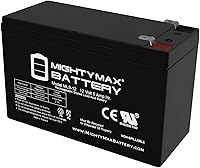
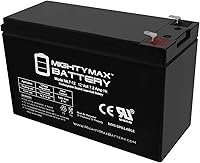
| Mighty Max Battery ML7-12 | simple 12V 7Ah SLA fit | 12V | 7.2Ah | Sealed Lead Acid | 9.6 |
| ERYY 12V 20AH | long 12V lithium runtime | 12.8V | 20Ah | LiFePO4 Lithium | 9.3 |
| GOLDENMATE 12V 16Ah LiFePO4 Lithium Battery | lightweight waterproof 12V power | 12.8V | 16Ah | LiFePO4 Lithium | 9.1 |
| CYCLENBATT 12V 10Ah LiFePO4 Lithium Battery | compact lithium upgrade | 12.8V | 10Ah | LiFePO4 Lithium | 8.8 |
| Redodo 16V 30Ah Marine LiFePO4 Battery | 16V live sonar systems | 16V | 30Ah | LiFePO4 Lithium | 8.5 |
| LIPULS 12.8V 15Ah LiFePO4 Lithium Battery | compact 15Ah lithium power | 12.8V | 15Ah | LiFePO4 Lithium | 8.3 |
The Best Forward Facing Sonar Batteries in Detail
Each pick below fits a different setup, budget and runtime goal. Read the voltage and capacity first, then check size and weight for your boat or kayak.
The trade-offs are not hidden, because a battery that is perfect for a jon boat may be too heavy or too small for a kayak.
ExpertPower EXP1270: Best for budget sealed lead acid replacement
- 12V 7Ah sealed lead acid
- F1 terminals
- 5.94 x 2.56 x 3.70 in
- 4.3 lb
- Rechargeable SLA
A compact 12V 7Ah SLA battery with F1 terminals that fits many existing sonar and small electronics setups.
Pros
- Compact size
- F1 terminals
- Maintenance-free sealed design
Cons
- Only 7Ah capacity
- Lead acid weight and usable capacity limits
The ExpertPower EXP1270 suits anglers who want a low cost 12V replacement battery for a compact live sonar setup. It is a 12V 7Ah sealed lead acid battery with F1 terminals, and it measures 5.94 x 2.56 x 3.70 inches with a weight of 4.3 pounds.
That size fits many battery boxes and existing 12V 7Ah slots.
Its sealed lead acid design is maintenance free and spill proof, with an ABS case and a rechargeable design. ExpertPower says it replaces 1270 style batteries, including UB1270, RT1270, CA1270 and 12FM7.
For forward facing sonar, the main limit is capacity: 7Ah gives limited runtime when a display and transducer run together.
Choose this pick for shorter trips, backup power or a simple 12V system where cost matters more than all day lithium runtime. Skip it if you fish long days and want the usable capacity and lighter weight of a lithium battery in the same space.
Mighty Max Battery ML7-12: Best for simple 12V 7Ah SLA fit
- 12V 7.2Ah sealed lead acid
- F1 terminals
- Rechargeable
- Can mount in any position
A 12V 7.2Ah SLA battery sized for direct replacement in tight compartments.
Pros
- Slightly higher capacity than 7Ah SLA picks
- Mounts in any position
- Rechargeable and maintenance free
Cons
- Battery only, no harness or mount included
- Lead acid limits for long live sonar days
The Mighty Max Battery ML7-12 suits anglers who want a simple 12V sealed lead acid replacement with slightly more capacity than a standard 7Ah SLA. It is a 12V 7.2Ah sealed lead acid battery with F1 terminals, and it can be mounted in any position.
That mounting flexibility helps in a boat console, kayak hatch or battery box where space is tight.
Mighty Max Battery says the battery resists shocks and vibration and performs in high and low temperatures. Those traits matter on a boat, where the battery can bounce over chop and sit in a hot compartment.
It is rechargeable and maintenance free, like other SLA batteries in this group.
The trade-off is capacity and chemistry. At 7.2Ah, it still gives limited runtime for demanding live sonar compared with 15Ah to 20Ah lithium picks.
It also ships as battery only, with no wire harness or mounting accessories included. Choose it for a straightforward SLA swap, not for maximum live sonar runtime.
ERYY 12V 20AH: Best for long 12V lithium runtime
- 12V 20Ah LiFePO4
- 30A BMS
- LCD voltmeter
- 5.5 lb
- 5000+ cycles claimed
A 12V 20Ah LiFePO4 battery with a 30A BMS and LCD voltmeter for fish finder and marine electronics power.
Pros
- 20Ah capacity
- LCD voltmeter
- Lightweight lithium design
Cons
- Needs LiFePO4 compatible charging
- Splash-proof only, not for submersion
The ERYY 12V 20AH suits anglers who want the largest 12V capacity in this group for long days on the water. It is a 12V 20Ah LiFePO4 battery with a 30A BMS, an LCD voltmeter and a weight of 5.5 pounds.
ERYY says it uses A-grade cells for 5000+ cycles and stable performance from -20°C to 60°C.
The built-in LCD voltmeter helps you check charge state before you launch. The 30A BMS provides protection against overcharge, over-discharge, short circuits and overheating, and it balances cells.
ERYY includes 2 12 AWG cables with M5 ring terminals, plus screws and a user manual. That helps if you are wiring a new setup.
The trade-off is charging and water exposure. ERYY says to use a LiFePO4 charger, a solar panel with MPPT controller or a generator with a LiFePO4 charger, and never a lead acid charger.
It is splash-proof only, so do not treat it as submersion proof. For 12V live sonar, its 20Ah capacity is the main reason it ranks so high.
GOLDENMATE 12V 16Ah LiFePO4 Lithium Battery: Best for lightweight waterproof 12V power
- 12V 16Ah LiFePO4
- 16A BMS
- IP67 waterproof
- 3.97 lb
- 5000+ cycles claimed
A 12V 16Ah LiFePO4 battery with IP67 waterproofing and a 16A BMS for portable sonar setups.
Pros
- IP67 waterproof rating
- Light at 3.97 lb
- Low self-discharge for storage
Cons
- 16Ah capacity below 20Ah pick
- Max charge current is 8A
The GOLDENMATE 12V 16Ah LiFePO4 Lithium Battery suits anglers who want a lighter 12V lithium battery with strong water protection. It weighs 3.97 pounds and measures 3.86 x 5.94 x 3.66 inches, so it is easy to carry to a kayak or small boat.
GOLDENMATE says it delivers more than 5000 cycles and has a low self-discharge rate for storage up to one year.
Its 16A BMS guards against overcharging, over-discharging, over-current and short circuits. The IP67 waterproof rating protects against dust and water, which is useful for spray, rain and wet boat decks.
GOLDENMATE says continuous discharge is up to 15A and maximum charge current is 8A, so check those limits against your sonar draw and charger.
The trade-off is capacity. At 16Ah, it has less runtime than the ERYY 20Ah pick, but it is lighter and has IP67 waterproofing.
Choose it for portable setups, kayaks and boats where weight and water resistance matter. Use a compatible LiFePO4 charger, solar panel with MPPT or generator for charging.
CYCLENBATT 12V 10Ah LiFePO4 Lithium Battery: Best for compact lithium upgrade
- 12V 10Ah LiFePO4
- 10A BMS
- IP67 water resistance
- 2.1 lb
- 5000+ cycles claimed
A 12V 10Ah LiFePO4 battery in the size of a standard 12V 7Ah SLA battery, for fish finder use in tight spaces.
Pros
- Same footprint as 12V 7Ah SLA
- Very light at 2.1 lb
- 10A BMS protection
Cons
- 10Ah limits runtime on demanding live sonar
- 10A continuous discharge limit
The CYCLENBATT 12V 10Ah LiFePO4 Lithium Battery suits anglers who want a lithium upgrade in the same footprint as a standard 12V 7Ah SLA battery. It measures 5.95 x 2.56 x 3.7 inches and weighs 2.1 pounds, about half the weight of a traditional battery in that size.
CYCLENBATT says it uses Grade A cells with more than 5000 cycles and a 10-year service life.
Its built-in 10A BMS provides protection against overcharging, over-discharging, over-current, over-voltage, extreme temperatures and short circuits. CYCLENBATT says it has IP67-rated water resistance and a low self-discharge rate for long-term storage.
It delivers 10A continuous charge and discharge current, with a peak discharge current of 20A for 5-second bursts.
The trade-off is runtime. At 10Ah, it will not match 15Ah to 20Ah lithium batteries on long live sonar days.
Choose it when space and weight are your main limits, or when you need a compact lithium replacement for a smaller fish finder setup. For a high draw forward facing sonar system, check the continuous discharge limit first.
Redodo 16V 30Ah Marine LiFePO4 Battery: Best for 16V live sonar systems
- 16V 30Ah LiFePO4
- Bluetooth monitoring
- 30A BMS
- 7.63 lb
- 4000+ cycles claimed
A 16V 30Ah LiFePO4 battery with Bluetooth monitoring for high draw fish finders and live sonar systems.
Pros
- 16V output for compatible systems
- Bluetooth charge and health monitoring
- 30Ah capacity
Cons
- Not a 12V replacement
- Needs 18.25V lithium activation charger for first Bluetooth use
The Redodo 16V 30Ah Marine LiFePO4 Battery suits anglers whose live sonar system is designed for 16V power. Redodo says it is optimized for fish finders and 360 sonar systems and names Humminbird Mega Live, Garmin Livescope and Lowrance Active Target as high draw units it is designed to power.
It measures 8.78 x 3.74 x 6.89 inches and weighs 7.63 pounds.
Its 30Ah capacity and 16V output can support brighter displays in compatible systems. Redodo says the battery maintains more than 15V for more than 100% of its operating capacity, which helps keep brightness consistent as the battery discharges.
Bluetooth monitoring lets you check charge, discharge, temperature and battery health, and you can manage discharge and power off remotely.
The trade-off is compatibility. This is not a 12V battery, so do not use it as a direct replacement in a 12V sonar setup.
Redodo also says to charge with an 18.25V lithium-activation charger to enable Bluetooth for first use or after powering off. Choose 16V only when your units support it, and confirm voltage before you buy.
LIPULS 12.8V 15Ah LiFePO4 Lithium Battery: Best for compact 15Ah lithium power
- 12.8V 15Ah LiFePO4
- 20A BMS
- 3.38 lb
- 192Wh
- 4000+ cycles claimed
A 12.8V 15Ah LiFePO4 battery with a 20A BMS for fish finders, solar and small UPS use.
Pros
- 15Ah in a compact case
- 20A BMS
- Light at 3.38 lb
Cons
- Lower claimed cycle life than 5000+ cycle picks
- 12-month warranty
The LIPULS 12.8V 15Ah LiFePO4 Lithium Battery suits anglers who want a compact 15Ah lithium battery for a fish finder or small live sonar setup. It weighs 3.38 pounds and measures 5.9 x 3.8 x 3.8 inches, so it fits tight spaces better than larger lithium batteries.
LIPULS says it delivers 4000+ full cycles and a 10-year design life.
Its built-in 20A BMS guards against overcharge, over-discharge, over-current, short circuit and over-temperature. The battery has 192Wh of energy and an ultra-low self-discharge rate, which LIPULS says allows one-year maintenance-free storage.
It includes the battery, a product manual and 2 F2 terminals, which helps with wiring into an existing 12V system.
The trade-off is capacity and warranty. At 15Ah, it sits between the 10Ah CYCLENBATT and the 16Ah GOLDENMATE, so it is a middle choice for runtime.
LIPULS backs it with a 12-month warranty. Choose it for a light, compact lithium battery when you want more capacity than a 10Ah pick without moving up to a 20Ah battery.
What Voltage Does a Forward Facing Sonar Battery Need
Most setups in this guide run on 12V, and the battery voltage must match your fish finder, transducer and module ratings. A 12V battery is the safe default unless your units are built for 16V.
Read the voltage range on your display and transducer before you choose a battery.
A 16V battery can run brighter and handle higher draw in systems designed for 16V. It is not a simple upgrade for a 12V system.
If you connect 16V power to 12V electronics, you can damage the units, so voltage matching comes before capacity.
If you are unsure how voltage affects brightness and image quality, read How Does Forward Facing Sonar Work? A Quick Answer before you buy.
Then check our best battery for garmin fish finder guide if your display is a Garmin unit, because brand specific voltage needs can differ.
How Much Capacity Do You Need for Live Sonar Runtime
Capacity is measured in amp hours, and higher amp hours generally mean longer runtime at the same power draw. A 7Ah SLA battery gives a short runtime on a demanding live sonar system.
A 15Ah to 20Ah lithium battery gives more room for long days, but it still depends on your display size, transducer and network setup.
Lead acid batteries have lower usable capacity than their amp hour rating suggests. Lithium LiFePO4 batteries deliver more usable capacity and weigh less, which is why they dominate this group for forward facing sonar.
If you fish short trips, a 7Ah to 10Ah battery may be enough. If you fish dawn to dusk, look at 16Ah to 20Ah.
Weight matters too, especially on a kayak. Our best battery for kayak fish finder guide breaks down weight and pack size for small boats.
For a larger boat, battery box size and mounting space may matter more than weight.
Is a Lithium Battery Better Than a Sealed Lead Acid Battery for Sonar
Lithium LiFePO4 batteries are lighter, deliver more usable capacity and last for more cycles than sealed lead acid batteries in this group. They also need less maintenance and can sit in storage with low self-discharge.
Those traits are useful on a boat, where weight and storage time both matter.
Sealed lead acid batteries cost less and use familiar charging. They also fit standard F1 terminal setups that many anglers already own.
If you want a simple replacement for an existing 12V 7Ah slot, an SLA battery can be the practical choice.
If you are deciding between chemistries, read Are Marine Batteries Lithium? for a plain explanation of the differences. Then compare our marine battery for boat guide for general marine battery sizing.
For forward facing sonar, voltage match and usable capacity should drive your choice.
Sealed Lead Acid Options
SLA picks in this group are the ExpertPower EXP1270 and the Mighty Max Battery ML7-12. Both are 12V, both use F1 terminals and both are rechargeable and maintenance free.
They suit simple 12V setups, backup power and short trips where cost is the main concern.
The limit is runtime. A 7Ah or 7.2Ah SLA battery has limited usable capacity for a display, transducer and module running together.
If your live sonar draw is high, an SLA battery may fade early in the day. Measure your draw or plan for a larger lithium battery if you fish long hours.
LiFePO4 Lithium Options
LiFePO4 picks in this group range from 10Ah to 20Ah at 12V, plus one 16V 30Ah battery. They offer BMS protection, lower weight and higher claimed cycle life.
ERYY and GOLDENMATE claim more than 5000 cycles, while LIPULS and Redodo claim 4000+ cycles.
Lithium batteries need LiFePO4 compatible charging. Do not use a lead acid charger on a LiFePO4 battery.
Check the charge voltage and charge current limit for each battery, and confirm the BMS continuous discharge rating matches your sonar system draw.
How Do You Charge and Store a Forward Facing Sonar Battery
Charge a LiFePO4 battery with a LiFePO4 charger, a solar panel with an MPPT controller or a generator paired with a LiFePO4 charger. Never use a lead acid charger on a LiFePO4 battery.
Check the voltage and current limits before the first charge.
Charge an SLA battery with a charger rated for sealed lead acid batteries. Keep terminals clean and tight, and store the battery in a cool, dry place.
A maintenance free SLA battery still needs periodic charging if it sits unused for months.
For storage, lithium batteries have low self-discharge, which helps between fishing seasons. GOLDENMATE and LIPULS both mention long storage with low self-discharge.
Charge the battery to the level recommended in its manual before long storage, and check it before your next trip.
If your setup also powers a small portable fish finder, compare our best portable fish finder battery guide. Portable batteries are lighter and smaller, but they may not have the capacity or discharge rating for a full live sonar system.
Which Battery Fits a Garmin, Lowrance or Humminbird Live Sonar Setup
Battery choice depends on the voltage and draw of your specific units, not just the brand. Garmin, Lowrance and Humminbird systems can have different display sizes, transducer draws and network modules.
Always confirm the voltage range for each unit you plan to power.
For Lowrance setups that use an Eagle Eye 9 transducer, read our best battery for lowrance eagle eye 9 guide. That guide focuses on the power needs of that transducer and the display paired with it.
It can help you narrow the voltage and capacity before you compare the batteries here.
For Garmin setups, our best battery for garmin fish finder guide covers brand specific needs. Use it to confirm voltage and connector needs, then return here to compare capacity, weight and BMS protection across the seven picks.
12V Systems
Most 12V live sonar setups in this guide will use a 12V or 12.8V lithium battery or a 12V SLA battery. Aim for 15Ah to 20Ah if you fish long days with a large display.
A 10Ah lithium battery can work for smaller displays or shorter trips.
Check the BMS continuous discharge rating. A 10A BMS may be too low for a high draw system, while 16A to 30A BMS ratings give more headroom.
Match the battery to the total draw of your display, transducer and any network module.
16V Systems
A 16V system needs a battery built for 16V output, like the Redodo 16V 30Ah pick. Redodo says 16V can improve brightness and clarity in compatible fish finders.
That benefit only applies when your units support 16V power.
Do not use a 16V battery on 12V electronics. If your system is 12V, choose a 12V battery from this group.
If your system supports both voltages, confirm the exact range for each unit before you switch.
Verdict: How to Pick the Right Forward Facing Sonar Battery
The best forward facing sonar battery depends on voltage, runtime and weight. Start with the voltage your units support, then choose capacity for the length of your fishing day.
A 12V system usually needs a 12V battery, while a 16V system needs a battery built for 16V.
Pick the ExpertPower EXP1270 or Mighty Max Battery ML7-12 for a low cost 12V SLA replacement. Pick the ERYY 12V 20AH for the most 12V lithium capacity in this group.
Pick the GOLDENMATE 12V 16Ah for light weight and IP67 waterproofing. Pick the Redodo 16V 30Ah only for a 16V live sonar system.
Before you order, confirm voltage, continuous discharge amps, physical size, terminal style and charging needs. Measure your battery box or mounting space, and check that your charger matches the battery chemistry.
That simple check prevents most returns and keeps your live sonar running steady all day.
Our top 3 picks at a glance
-
1
-
2
-
3
Frequently asked questions
What is the best forward facing sonar battery for all day use?
For all day use, a 12V lithium battery with 16Ah to 20Ah capacity is a practical starting point for many 12V live sonar setups. The ERYY 12V 20AH gives the most capacity in this group at 12V.
Choose 16V only when your sonar system is designed for 16V power.
Can I use a 12V 7Ah SLA battery for forward facing sonar?
Yes, if your system is 12V and the draw fits the battery. A 7Ah SLA battery has limited usable capacity and may run down faster on demanding live sonar.
It suits shorter trips, backup power or simple setups better than long days.
Is a 16V battery better than a 12V battery for live sonar?
A 16V battery is better only for systems designed to run on 16V. It can support higher brightness and higher draw electronics in those systems.
It is not a direct replacement for a 12V sonar setup.
What do I need to charge a LiFePO4 sonar battery?
Use a charger made for LiFePO4 lithium batteries. Do not use a lead acid charger on a LiFePO4 battery.
Check the voltage and charge current limits for the specific battery before charging.
How do I size a battery for forward facing sonar?
Start with your sonar system voltage, then look at amp hours for runtime. Higher amp hours generally mean longer runtime at the same draw.
Also check continuous discharge amps, physical size, weight and connector type before you buy.