Lowrance Ghost Trolling Motor Review: Worth It? (November 2026)
Lowrance Ghost trolling motor reviews point to a motor built around quiet steering and sonar integration, with ownership cost shaped by the prop, prop nut and stabilizer you choose. The parts below matter because weeds, trailering and bow storage affect how the motor works day to day.
On this page (11 sections)
- Lowrance ghost trolling motor reviews: who the Ghost suits
- The Lowrance Ghost at a glance
- Steering and boat control
- Sonar integration that matters
- Performance in weeds and shallow water
- Setup and first checks
- Care, storage and trailering
- Alternatives in this review
- Ownership trade-offs to weigh
- What a spot-lock motor adds
- Lowrance Ghost verdict
The Lowrance Ghost suits anglers who want a bow motor tied closely to Lowrance sonar and steering tools. Its real-world value depends on your water, how you trailer and how often you check the prop.
For weedbed fishing, the prop choice matters as much as the motor. For trailering, the stabilizer lock matters just as much.
Lowrance ghost trolling motor reviews: who the Ghost suits
The Ghost makes most sense for Lowrance screen owners who want tighter sonar integration at the bow. That includes anglers who watch live sonar near the trolling motor and adjust position as fish move.
It also suits anglers who value steering control over raw thrust alone. A motor that holds position and turns with less effort can save battery and reduce boat noise.
Skip the Ghost if you run another brand of sonar and do not plan to change. You would pay for integration you may not use.
Our guide to the trolling motor buying guide helps you weigh those trade-offs before you commit.
Who the Ghost suits best
Buy the Ghost if you fish structure, weed edges or live sonar targets from the bow. Those methods reward small speed changes and steady heading control.
Buy it if you already know Lowrance menus and want one system at the console and bow. Familiar controls reduce time spent learning a new layout.
Skip it if your main need is a simple motor for a small boat with limited bow space. A lighter motor may fit your rig better.
The Lowrance Ghost at a glance
The Ghost is a bow-mount electric trolling motor built for Lowrance owners. Its appeal comes from control and integration rather than from a single headline spec.
The motor itself is only part of the package. The prop, prop nut and stabilizer lock decide how it handles weeds, storage and trailering.
Those parts are not extras for every owner. They solve three different problems that show up in normal use.
T-H Marine GFEL-LG-BK-DP G-Force Eliminator Trolling Motor: Best for repeated prop checks
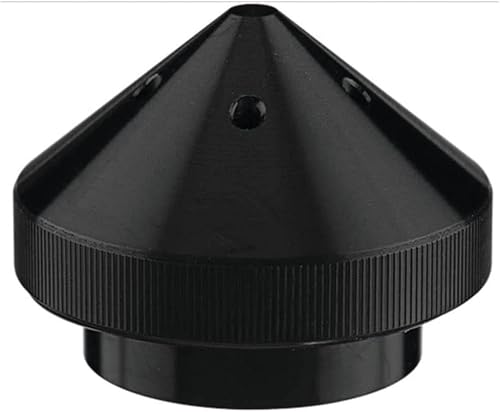
- One Size
- Black
- 1 Count
- Plastic with stainless steel finish type
- 8 ounces
A one-piece prop nut made for the Lowrance Ghost, suited to owners who check and remove the prop often. Its small size makes it an easy spare to keep in a boat toolbox.
Pros
- Made for Lowrance Ghost use
- One piece, one count
- Light at 8 ounces
- Black finish
Cons
- One Size only
- Plastic body limits the role it can play
- Does not change prop performance by itself
Steering and boat control
The Ghost is strongest when you need small, precise steering inputs at the bow. That helps when you hold over a point, follow a contour or keep a lure at a set depth.
Quiet steering matters in clear water. Less disturbance can help when fish are spooky or when you are working shallow flats.
Steering feel is also a matter of setup. A motor that turns well on one hull may feel different on a heavier boat.
Our post on how to use lowrance ghost trolling motor covers the control habits that make those inputs easier to learn.
Steering habits that help
Use short corrections instead of long turns when you hold position. Small inputs keep the boat from swinging wide.
Set speed before you chase a target. Extra thrust often pushes you past the fish instead of toward it.
Let the boat drift back into place when wind helps. Fighting every gust uses battery and can make steering feel harsh.
Sonar integration that matters
Sonar integration is the Ghost's main reason to buy. A motor that shares data with your screens can cut the link between seeing fish and moving the boat.
That matters most with live sonar at the bow. You can see a fish, point the motor and make a small move without walking back to the console.
It also matters when you mark a way point and return to it. The motor becomes part of the same workflow as your charts.
The lowrance ghost trolling motor transducer guide explains which transducer choices fit that workflow.
What integration does not do
Integration does not remove the need to read your screen. You still need to know what you are seeing before you move.
It also does not guarantee fish will stay in place. Current, wind and pressure can move bait and fish while you set up.
Treat the motor and sonar as one system. Good setup in one place helps the other place work better.
Performance in weeds and shallow water
Weeds test a trolling motor in a specific way. The prop, not the headline thrust, decides how often you stop to clear the motor.
A weedless prop shape can reduce hang-ups while you troll through grass. It will not keep every strand off the shaft or lower unit.
Shallow water adds a different risk. You need room to raise the motor before the prop strikes bottom or cover.
The Lowrance weedless prop below is built for that weedbed problem. It is a replacement prop, not a full motor upgrade.
Lowrance 000-15237-001 Weedless Propeller for the Ghost: Best for fishing weedbeds

- Weedless Prop design
- Black
- Metal
- Bottom mount
- For Salt Water
Lowrance's own weedless replacement prop for the Ghost, aimed at anglers who troll through weeds and weedbeds. It is the clearest pick when weed hang-ups are the main problem.
Pros
- Weedless design to reduce hang-ups
- Made for the Ghost
- Quick and simple installation
- Metal construction
Cons
- Replacement prop only
- Follow Lowrance fit instructions closely
- Does not solve weed fouling higher on the shaft
When a weedless prop helps
Choose a weedless prop if you troll weedbeds or fish grass lines all season. You will spend less time lifting the motor to clear the prop.
Choose it if you fish salt water and want a prop made for Ghost use. Lowrance lists this model for salt water use.
Keep the stock prop if you mostly fish open water. A weedless shape gives you less benefit when weeds are not the problem.
Setup and first checks
Setup starts with fit, shaft length and transducer choice, not with speed. A motor that fits your boat will steer better and store better.
Check shaft length against your hull depth at the bow. Too short leaves the prop near the surface in chop.
Too long makes storage awkward.
Check the transducer and cable route before you mount the motor. A clean route avoids pinched cables and poor sonar signals.
If you are still sizing the motor, which lowrance ghost trolling motor 60 inch shaft fits your boat is a useful check before you order.
First checks before the first trip
Confirm the prop nut is tight and the prop spins freely. A loose nut can cause vibration and damage.
Confirm the stabilizer lock fits your mount spacing. The Troll-Tamer below fits Lowrance Ghost spacing from 5 to 8 inches.
Confirm steering direction before you leave the dock. A reversed control layout gets confusing fast when wind pushes the boat.
Care, storage and trailering
Care for the Ghost starts with fresh water rinses, a tight prop nut and a locked motor for travel. Salt water use makes rinsing more important.
Rinse the shaft, lower unit and prop after each trip. Wipe the shaft so the mount can move without grit.
Check the prop for nicks after weed or rock contact. A damaged prop can vibrate and lose thrust.
Trailering adds a separate job. The motor should be held in place so bounce does not hammer the mount.
T-H Marine Troll-Tamer Trolling Motor Stabilizer Lock: Best for trailering and rough water

- Stabilizer lock
- 300 Series Stainless Steel
- Polished
- 1 pound
- 10.5 x 7 x 1.25 inches
A stabilizer lock that holds the motor in place to help prevent damage to the motor and boat. It suits owners who trailer often or run in rough conditions.
Pros
- Holds the motor securely in place
- 300 Series Stainless Steel
- Polished finish
- Works with Lowrance Ghost spacing of 5 to 8 inches
Cons
- Adds a step at launch and load-out
- 1 pound part to store
- Spacing must match your mount
Trailering habits that protect the motor
Use a stabilizer lock when you run rough roads or long hauls. It holds the motor still and reduces shock at the mount.
Lock the motor in the same position every time. A repeat habit makes launch checks simpler.
Store the lock where you will find it at the ramp. A loose lock in a truck bed can scratch the deck.
Alternatives in this review
The three parts here solve different jobs. Pick the part that matches your main problem first.
The Lowrance prop helps in weeds. The T-H Marine prop nut helps during prop checks.
The Troll-Tamer helps during trailering and rough water.
You may need two of the three. You rarely need all three on day one.
Prop nut alternative
Choose the prop nut first if you remove the prop for storage or cleaning. A spare nut in One Size and Black is simple to carry.
Weedless prop alternative
Choose the weedless prop first if weeds stop your trolling. It is made for the Ghost and designed for quick and simple installation.
Stabilizer lock alternative
Choose the stabilizer lock first if you trailer often. It addresses storage shock rather than weed fouling or prop fit.
Ownership trade-offs to weigh
Ownership cost for the Ghost goes beyond the motor. You should budget time for prop checks, rinsing and trailering setup.
A weedless prop can cut time spent clearing weeds. A stabilizer lock can protect the mount during travel.
A spare prop nut can save a trip if the first one is lost or damaged. Small parts matter because they are the parts you touch most.
Our list of best lowrance ghost trolling motor accessories puts these parts in a wider ownership context.
Trade-offs by fishing style
Open-water anglers may need the stabilizer more than the weedless prop. Their main risk is road shock and rough water bounce.
Weedbed anglers may need the prop more than the lock. Their main risk is fouling that stops the troll.
Kayak anglers should look elsewhere first. Our best kayak trolling motor guide covers motors built for smaller hulls.
Saltwater anglers should also compare purpose-built saltwater models. Our best saltwater electric trolling motor guide helps with that check.
What a spot-lock motor adds
Spot-lock control is a feature many bow-motor buyers want. It holds the boat over a point so you can fish without watching the motor all the time.
That feature suits anglers who cast to structure from the bow. It also suits anglers who fish live sonar targets that hold near cover.
It adds learning time. You need to set the anchor point, watch the boat swing and know when to cancel it.
Our guide to what is a spot lock trolling motor explains the trade-offs in plain terms.
Spot-lock habits that help
Set the anchor point upwind or up-current of the target. The boat will swing less if it starts in a stable spot.
Watch the first minute closely. A motor can hunt if wind and current pull in different directions.
Cancel spot-lock before you move to a new spot. A short manual move is cleaner than fighting the motor.
Lowrance Ghost verdict
The Ghost is a strong pick for Lowrance owners who want sonar and steering to work as one system. Its value rises if you fish from the bow with live sonar.
Choose the Lowrance weedless prop if weeds are your main problem. Choose the Troll-Tamer if trailering and rough water are your main problem.
Choose the T-H Marine prop nut if you check the prop often and want a simple spare. It weighs 8 ounces and comes as one piece in One Size.
Use the trolling motor buying guide as your next step if you are still comparing brands. It helps you weigh thrust, shaft length and integration before you buy.
These lowrance ghost trolling motor reviews point to one clear rule. Buy the motor for integration, then buy the small parts that match your water and your trailer.
Frequently asked questions
What does the Lowrance Ghost do best?
The Ghost is built to pair trolling motor control with Lowrance sonar and steering tools. That integration matters most if you already run Lowrance screens and want the bow motor to work with the same setup.
Is the Ghost weedless prop worth buying?
The Lowrance 000-15237-001 Weedless Propeller is made to reduce hang-ups on weeds while trolling. It suits anglers who fish weedbeds often, while open-water anglers may get less benefit from a weedless shape.
What is the Troll-Tamer stabilizer lock for?
The Troll-Tamer holds the trolling motor in place to help prevent damage to the motor and boat. T-H Marine says it is machined from 300 Series Stainless Steel and fits Lowrance Ghost spacing from 5 to 8 inches.
Should I buy a spare Ghost prop nut?
The T-H Marine GFEL-LG-BK-DP is a one-piece prop nut in One Size that weighs 8 ounces. A spare suits owners who remove the prop often or want a ready part in the boat instead of improvising on the water.


