Can You Add GPS and Spot-Lock to a Trolling Motor?
Yes, you can add GPS and spot-lock in some cases, but usually you need a compatible GPS trolling motor head or a retrofit kit made for your exact model. A generic trolling motor head with GPS is not a simple add-on for every motor, so match the kit or replacement head to your motor and electronics first.
On this page (9 sections)
- What is a GPS trolling motor head, and what does it actually do?
- Can a retrofit kit add spot-lock to your current motor?
- How do you know if your motor can take a GPS head?
- What is the difference between a gateway, a head, and a full motor?
- When does a complete GPS trolling motor make more sense?
- Can you add GPS to a Minn Kota hand control motor with a collar or small part?
- What should you check before you buy a spot lock trolling motor kit?
- How do you install and set up a GPS trolling motor head or kit?
- Which products help with each path, and which should you skip?
Yes, you can sometimes add GPS and spot-lock to a trolling motor, but it is not a universal swap. A trolling motor head with GPS needs the right steering, motor controls, mounting, power, and display links for your boat.
Most owners take one of three paths. They add a maker approved gateway or kit, they replace the head with a compatible GPS unit, or they buy a complete GPS trolling motor.
The right choice depends on the motor you already own.
What is a GPS trolling motor head, and what does it actually do?
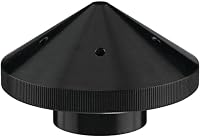
A GPS trolling motor head is the upper control section that steers the motor, sets speed, and runs GPS functions. It is more than a plastic cover, because it works with the motor's steering and electronics.
On a GPS model, the head can hold position, follow a route or contour, and adjust thrust to keep the boat on track. That is different from a hand control motor that only sets a fixed speed and direction.
Spot-lock is the GPS anchoring feature that holds the boat near one point. Our guide to what is a spot lock trolling motor breaks down how that hold works in real fishing use.
The key point is simple. If your motor has no GPS receiver, steering motor, or control board for GPS, a new head alone may not solve the problem.
The whole system has to match.
Can a retrofit kit add spot-lock to your current motor?
A retrofit kit can add GPS features only when it is built for your motor family. The kit still needs a compatible shaft, steering path, power supply, and remote or display.
MotorGuide owners are a clear example. The gateway below is made for Xi3 and Xi5 trolling motors and links the motor to compatible Lowrance displays.
MotorGuide describes the link as plug and play through an existing NMEA 2000 network.
That kit does not turn every MotorGuide motor into a GPS motor. It connects an Xi Series motor that already has Pinpoint GPS to your screen.
If your motor lacks GPS, a gateway will not create that hardware.
Before you buy any spot lock trolling motor kit, check the exact model number. Also check voltage, shaft length, and whether your fish finder uses NMEA 2000 or another network.
How do you know if your motor can take a GPS head?
Start with the maker chart, not the product photos. You need the exact series, year range if listed, shaft length, voltage, and control type.
Look for words such as GPS, Pinpoint, i-Pilot, Spot-Lock, Xi Series, Terrova, or Force in the maker materials. Those words tell you which control family your motor belongs to.
Our trolling motor buying guide can help you compare control types before you spend money. It also covers shaft length, thrust, and battery needs in one place.
Do not assume a head from a different brand will fit. Mounting holes, steering gears, wire plugs, and software can all differ, even when two motors look alike.
If the maker does not list a retrofit head for your model, that is a strong sign to stop. A complete GPS motor will usually be the safer path.
What is the difference between a gateway, a head, and a full motor?
A gateway is a link, a head is a control section, and a full motor is the complete package. Each one solves a different problem.
A gateway shares data between a GPS motor and a display. The MotorGuide gateway above uses NMEA 2000 and works with Lowrance HDS Gen2, HDS Gen2 Touch, HDS Gen3, and Elite-7Ti units, according to MotorGuide.
A replacement head handles steering and GPS control at the motor. It may still need a remote, foot pedal, battery cables, and a display link, so check what is included.
A full motor gives you the shaft, mount, head, controls, and GPS in one matched set. That path costs more, but it removes most fit questions.
For many anglers, the choice comes down to this. Use a gateway to link an existing GPS motor to a screen.
Use a head only if the maker sells one for your shaft. Use a full motor if your current motor was never built for GPS.
When does a complete GPS trolling motor make more sense?
A complete GPS motor makes sense when your current motor is a basic hand control or transom model. It also makes sense when the retrofit head costs close to a new motor.
The Garmin Force below is a full bow mount motor with a 57 inch shaft. Garmin lists it for 24 volts or 36 volts, with 80 lb of thrust at 24V and 100 lb at 36V in the product description.
Garmin describes the Force with a brushless motor, integrated sonar, wireless foot pedal and remote, built in GPS, and anchor lock. That is a matched system, not a head swap.
Our roundup of the best electric trolling motors with gps can help you compare full GPS systems. Compare thrust, shaft length, voltage, and pedal style before you choose.
Can you add GPS to a Minn Kota hand control motor with a collar or small part?
No, a small depth collar cannot add GPS or spot-lock. It only helps you set and hold shaft depth on some hand control motors.
The Bonbo collar below is a 2991521 cam lock depth collar for Minn Kota motors with 1-1/8 inch shafts. It fits freshwater and saltwater bow mount and transom mount hand control motors, according to the data for this part.
Bonbo says the collar uses plastic and steel parts and a locking mechanism to stop the motor from sliding down the shaft. That can help with depth control, but it adds no receiver, steering motor, or GPS software.
Depth control keeps the prop where you set it. GPS control steers the boat and holds position.
One does not replace the other.
If you own a hand control Minn Kota and want spot-lock, look at a listed GPS conversion or a new GPS motor. Compare the minn kota terrova vs riptide options if you fish both fresh and salt water.
What should you check before you buy a spot lock trolling motor kit?
Check fit first, then network, then power, then shaft depth. Those four items cause most failed retrofits.
Confirm the kit lists your exact motor model and series. Then confirm your display brand and model, because NMEA 2000 links are not the same as a direct plug for every screen.
Check voltage and battery capacity next. A 36 volt system needs the right batteries and wiring, and our guide to wiring 36v trolling motor covers the basics.
Measure shaft length from the mount underside to the prop. A shaft that is too short may ventilate in chop, while a shaft that is too long can catch bottom in shallow water.
Also read the minn kota terrova trolling motor reviews if you are close to buying a full Terrova. Finally, check what is in the box, since a gateway kit, a head, and a full motor ship with very different parts.
How do you install and set up a GPS trolling motor head or kit?
Installation starts with reading the maker manual for your exact model. Disconnect power before you touch any wiring, and keep the prop clear while you work.
Mount the head or motor square to the bow and check steering lock to lock. The shaft should move freely without binding on the mount, deck, or trolling motor brace.
Connect power with the right gauge wire and fuse size for your voltage. Our guide to how to choose a 24V trolling motor with spot-lock explains why 24V and 36V setups differ.
Link the motor to your display if the kit uses NMEA 2000 or another network. Then update software only with the maker files for your model, and do not mix files from a close but different series.
Set shaft depth so the prop stays below the surface in chop but above bottom in skinny water. Test spot-lock in open water first, and adjust the hold distance or sensitivity if your manual allows it.
Which products help with each path, and which should you skip?
The MotorGuide gateway helps Xi3 and Xi5 owners who want screen control. It is the right pick when the motor already has Pinpoint GPS and you own a compatible Lowrance display.
The Bonbo depth collar helps Minn Kota hand control owners who need steadier depth. It is the wrong pick if your goal is GPS anchoring, because it has no GPS parts.
The Garmin Force helps buyers who want a complete GPS bow mount motor. It is the right pick when no retrofit head fits your current motor or when you want sonar and GPS in one unit.
Our guide to a forward facing sonar trolling motor can help if sonar integration is part of your plan. Do not buy a kit because the title mentions GPS.
Buy it because the chart lists your motor, your display, and your voltage.
Frequently asked questions
Can I add a GPS head to any trolling motor?
No. A GPS control head or kit must match your motor model, shaft, steering, voltage, and display network.
Check the maker chart for your exact motor before you buy, and look for a complete GPS motor if no retrofit head fits.
What is spot-lock on a trolling motor?
Spot-lock is GPS anchoring. The motor uses GPS position data to hold the boat near a chosen point while you fish.
It reduces drift and correction work, but wind, current, and shaft depth still matter.
Is a gateway kit the same as a GPS trolling motor head?
No. A gateway links an existing GPS motor to a fish finder or chartplotter over NMEA 2000.
A replacement head or full motor adds GPS control itself.
You need the motor to have GPS features before a gateway can share them.